Collaborative Music Making: Building Community Through Sound
The Role of Music in Community Building
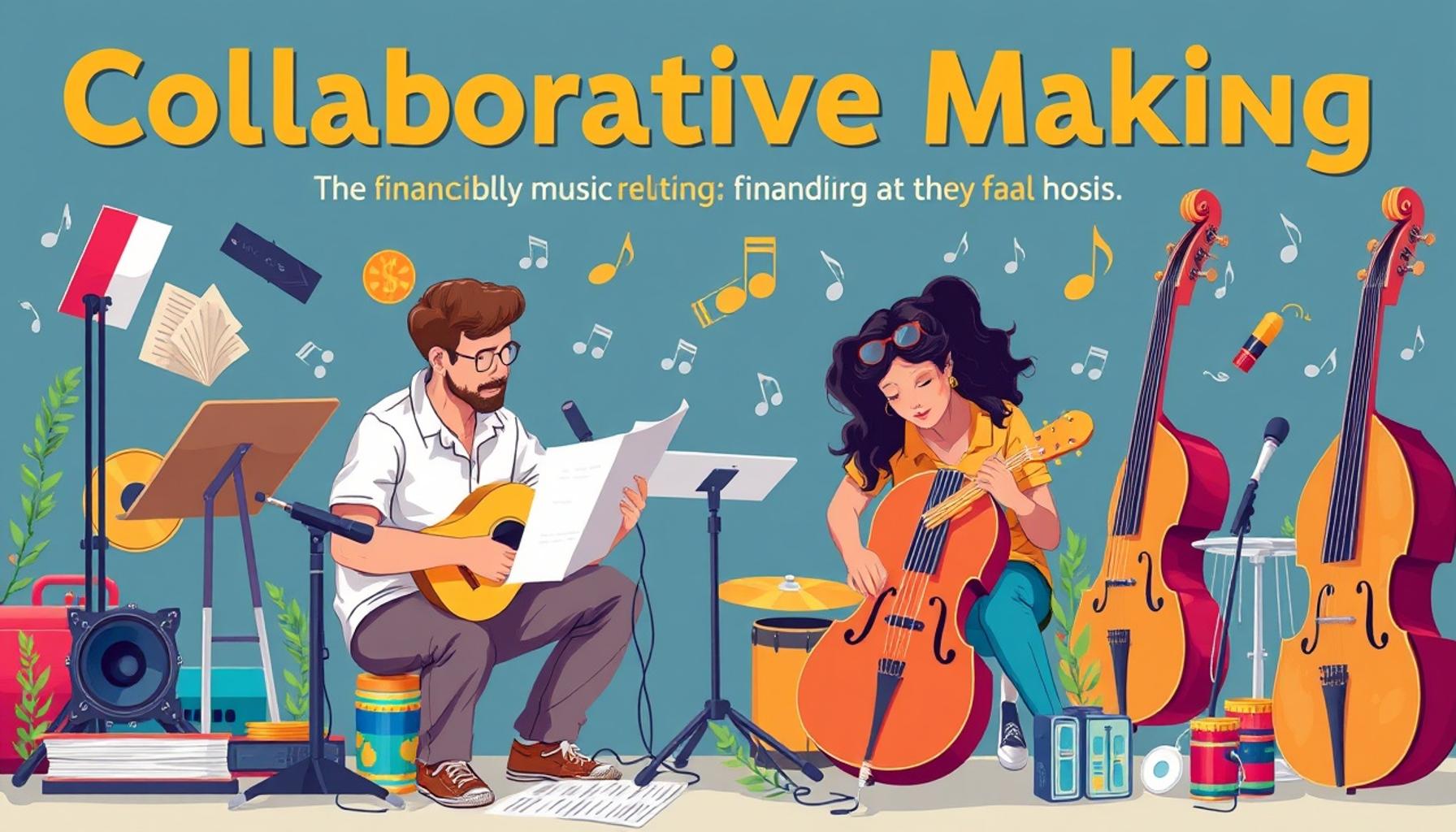
Music has always served as a significant medium for expression and connection among individuals. In today’s digital landscape, it has transformed into a dynamic force for building community. The rise of technology has enabled musicians from various locations to collaborate, co-create, and share their passion for music, creating an inclusive space that fosters connection beyond physical borders.
Inclusivity in Collaborative Music Making
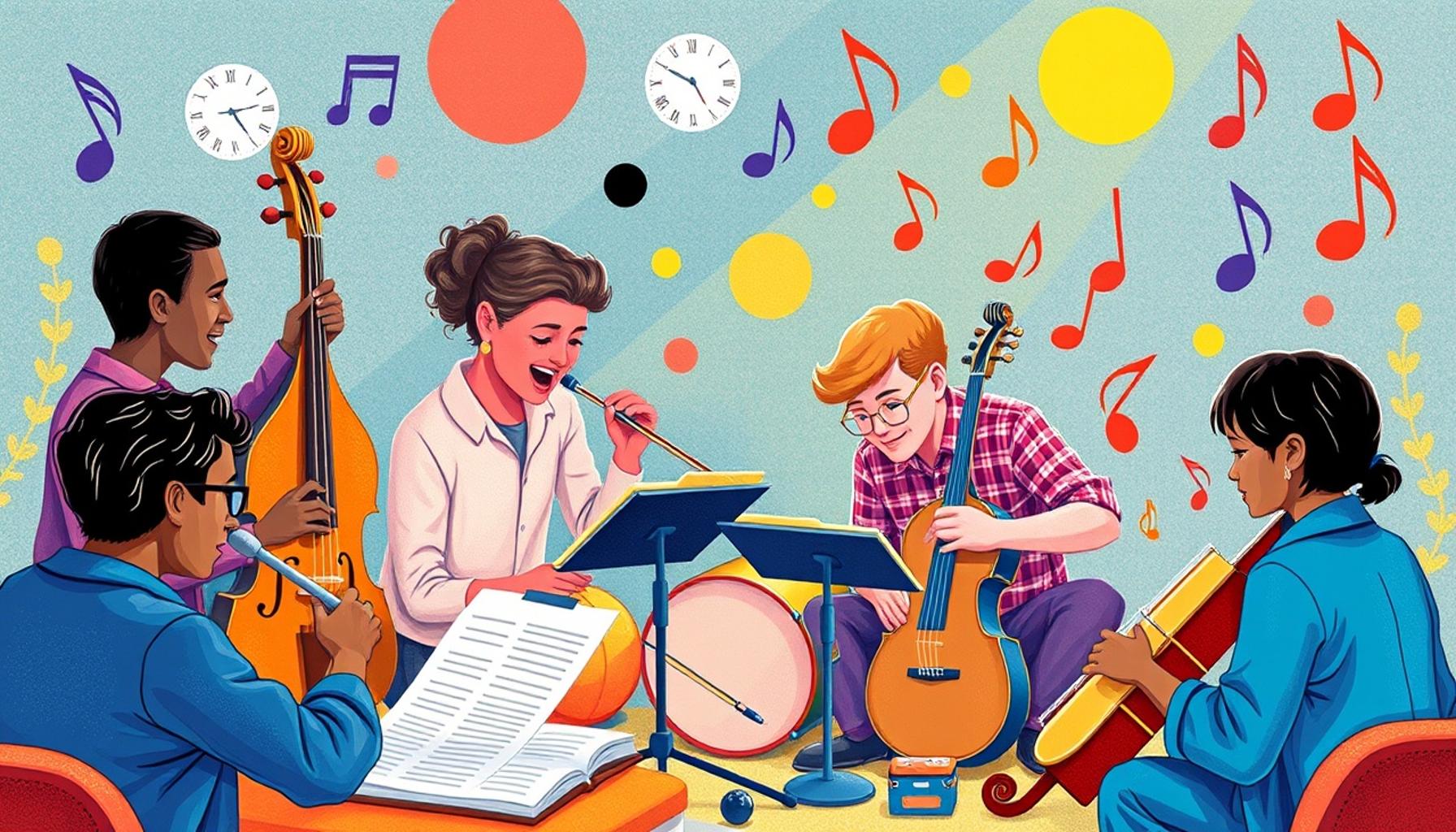
One of the most compelling attributes of collaborative music making is its innate inclusivity. Musicians from diverse backgrounds come together to share their unique perspectives and styles. For instance, community projects often feature a blend of genres—Hip-Hop artists collaborating with folk musicians, or jazz ensembles working alongside classical guitarists. This blending of genres not only enriches the music but also broadens cultural understanding among participants.
Accessibility of Music Platforms
As music technology progresses, platforms such as Soundtrap and BandLab have democratized music creation, making it accessible for individuals at all skill levels. For instance, Soundtrap’s collaborative tools allow participants to record, mix, and produce music together in real time, regardless of their physical locations. This level of accessibility encourages experimentation and innovation, with beginners often collaborating alongside seasoned musicians, thereby promoting skills development and confidence.
Opportunities for Participation
Participation is key to fostering a sense of belonging in music communities. Online forums and local jam sessions offer safe spaces for individuals to express themselves and connect with others. Open mic nights, which are prevalent in cities like Nashville or New Orleans, provide budding musicians an opportunity to showcase their talents while interacting with like-minded individuals. Such events not only create supportive environments but also build a network of individuals who encourage each other’s journeys, contributing to a vibrant musical ecosystem.
Examples of Collaborative Projects
Across the United States, collaborative projects are thriving. Community choirs, for instance, often attract individuals from various walks of life, uniting them through a shared love of singing. Additionally, virtual collaborations have flourished, particularly during the pandemic, where artists used social media platforms to engage with one another, producing songs that echoed collective experiences during challenging times.
As we delve deeper into the realm of collaborative music making, we begin to appreciate how this art form not only nurtures individual talents but also weaves a richer cultural tapestry. By fostering connections and embracing diversity, music has the profound ability to build community and inspire collective creativity. Join us on this captivating exploration of sound’s power to unite individuals and create lasting bonds within our communities.
Building Bridges Through Creative Collaboration
As music continues to evolve, the concept of collaborative music making has emerged as a vital force for community engagement. This dynamic practice not only allows musicians to express themselves artistically but also encourages a deeper connection among individuals with different life experiences and backgrounds. Collaborative music projects can take various forms, including workshops, festivals, and online collaborations, each fostering a sense of unity and purpose.
Workshops and Community Events
Local workshops often serve as the backbone of community music initiatives. These events provide a structured environment where participants can come together, learn, and share. For instance, organizations like Girls Who Code have begun integrating music technology courses to empower young women in both the tech and music industries. By combining learning with creative expression, these workshops not only amplify the participants’ skills but also encourage collaboration among peers. Community events such as street festivals or cultural fairs frequently feature stage time for local artists, effectively blending performance with community engagement. Here, attendees are invited to join in, often forming impromptu bands that celebrate their shared heritage and artistry.
The Role of Social Media
In today’s digital age, social media platforms have become indispensable tools for collaborative music making. Artists are leveraging platforms like Instagram and YouTube to reach audiences and discover collaborations. For example, viral challenges on TikTok have enabled musicians to collaborate in ways that were once unimaginable. A simple hashtag can connect a singer from Atlanta with a producer in Los Angeles, resulting in an innovative track that embodies a blend of styles and experiences. By utilizing these platforms, musicians can showcase their collaborations on a global stage, attracting listeners from diverse backgrounds and fostering a broader sense of community.
Impact on Mental Health and Well-Being
Beyond the artistic benefits, collaborative music making also plays a significant role in enhancing mental health and well-being. Participating in group music activities has been shown to reduce feelings of anxiety and isolation, particularly among marginalized communities. Research has indicated that music can serve as a powerful therapeutic tool, helping individuals express emotions that may be difficult to articulate through words. Community musicians often volunteer their time to host music therapy sessions, which have been celebrated for their positive impact on participants’ emotional health.
Key Elements of Successful Collaborative Music Projects
To create successful collaborative music experiences, certain key elements are often present:
- Diversity: Bringing together individuals from varied backgrounds enriches the collaborative process.
- Inclusivity: Ensuring that all voices are heard encourages participation and creativity.
- Trust: Building a safe environment for expression fosters confidence among collaborators.
- Resources: Providing access to instruments, technology, and spaces for creation enhances collaboration.
As we continue to explore the realm of collaborative music making, it becomes evident that its impact goes beyond mere sound; it resonates deeply within communities, forging connections and promoting collective creativity. The journey through sound invites us to discover our shared experiences, creating a tapestry that reflects the diverse stories of all participants involved.
| Advantage | Description |
|---|---|
| Enhanced Creativity | Collaborative spaces encourage diverse perspectives, sparking innovative ideas and solutions in music creation. |
| Strengthened Community Bonds | Working together on music fosters connections, leading to a sense of belonging and shared purpose. |
The value of collaborative music making extends beyond just the product created; it cultivates a creative ecosystem where artists can thrive together. By participating in collective music sessions, individuals gain exposure to varying musical styles and traditions, paving the way for unforeseen harmonies and melodies that might not emerge in solitude. The act of creating music in a group setting also serves as a powerful motivator, inspiring participants to push their boundaries and explore new artistic avenues.Moreover, strengthening community bonds through musical collaboration cannot be overstated. In a world where digital interactions often replace face-to-face contact, gathering to create sounds together can forge lasting relationships. These connections often evolve into supportive networks that not only share resources and knowledge but also facilitate deeper conversations about life, culture, and the universal language of music.
Harnessing Technology for Collective Creativity
The advent of technology has remarkably transformed the landscape of collaborative music making. Digital audio workstations (DAWs), online jamming applications, and cloud storage systems have eliminated geographical barriers, enabling musicians to collaborate seamlessly regardless of location. Applications like Soundtrap and BandLab create virtual studios where artists can co-create and edit tracks in real time. This democratisation of production tools not only enhances accessibility to music-making but also allows for innovative partnerships that reflect a broader range of perspectives and experiences.
The Rise of Global Collaborations
Global collaborations have become a hallmark of contemporary music, propelling artists to connect and create beyond their local scenes. Initiatives such as Playing for Change, which brings musicians from around the world together to perform classic songs in unique cultural contexts, underscore the power of music as a universal language. These projects not only celebrate cultural diversity but also introduce audiences to new sounds and narratives. By utilizing video conferencing tools, artists can collaborate remotely, sharing not just melodies but stories steeped in their cultural backgrounds.
Fostering Empathy and Connection
Participating in collaborative music projects fosters empathy and understanding among individuals from different backgrounds. This emotional connection can be particularly impactful in settings where participants face social and economic challenges. Programs like Street Symphony in Los Angeles, which brings together musicians and homeless individuals through collaborative performances, exemplify this phenomenon. These shared experiences enable participants to express their unique stories through music, fostering a sense of belonging and reducing stigma.
The Educational Impact of Collaborative Music Making
Educational institutions are increasingly recognizing the importance of collaborative music making as a pedagogical tool. Programs in schools encourage students to engage in group composition and improvisation, facilitating teamwork and communication skills alongside musical development. Research from the University of California found that students who participate in collaborative music projects show increased engagement and improved academic performance. Not only do these initiatives cultivate artistic talent, but they also prepare students to work collaboratively in future professional environments.
Outreach Programs and Their Influence
Community outreach programs that integrate music also play a crucial role in enhancing social cohesion. Organizations such as Songwriting With Soldiers combine therapeutic elements with music education, helping veterans express their experiences through songwriting. This unique approach not only aids in emotional healing but also creates a supportive community where individuals can share their struggles and strengths, bridging gaps and fostering understanding between veterans and civilians.
As we delve further into the realm of collaborative music making, it becomes clear that the impact resonates beyond the music itself. It nurtures growth, understanding, and creativity within communities, ultimately shaping a more interconnected society. As collaborations continue to innovate and evolve, their influence will only deepen, inspiring new generations to harmonize their voices and experiences in the pursuit of collective expression.
Conclusion
In an era where music transcends borders, collaborative music making stands as a testament to the power of sound in shaping communities. By embracing technology, musicians from varied backgrounds can unite to create, innovate, and express themselves in ways that were once unimaginable. The rise of digital platforms has opened doors for global collaborations, allowing artists not only to exchange sounds but also stories that enrich our cultural tapestry.
The emotional and social benefits derived from collaborative music projects are profound. They serve as vehicles for empathy, providing individuals facing societal challenges with avenues for expression and connection. Programs that bridge gaps between diverse populations, such as veterans and civilians, illustrate the role of music in building understanding and healing. As initiatives merge artistic expression with educational and outreach efforts, they cultivate a generation of communicators and collaborators ready to engage in a rapidly evolving society.
Ultimately, collaborative music making fosters an inherent sense of belonging, reminding us that music is much more than just sound—it is a shared experience. As we continue to explore its potential, we invite individuals to engage with these community-driven initiatives, further contributing to a world where diverse voices harmonize in a beautiful, collective symphony. The future of music lies not just in individual artistry but in our ability to come together, echoing the essence of humanity through shared sound.