The importance of collaboration in music creation: how partnerships can drive creativity and innovation
The Power of Collaborative Creativity in Music
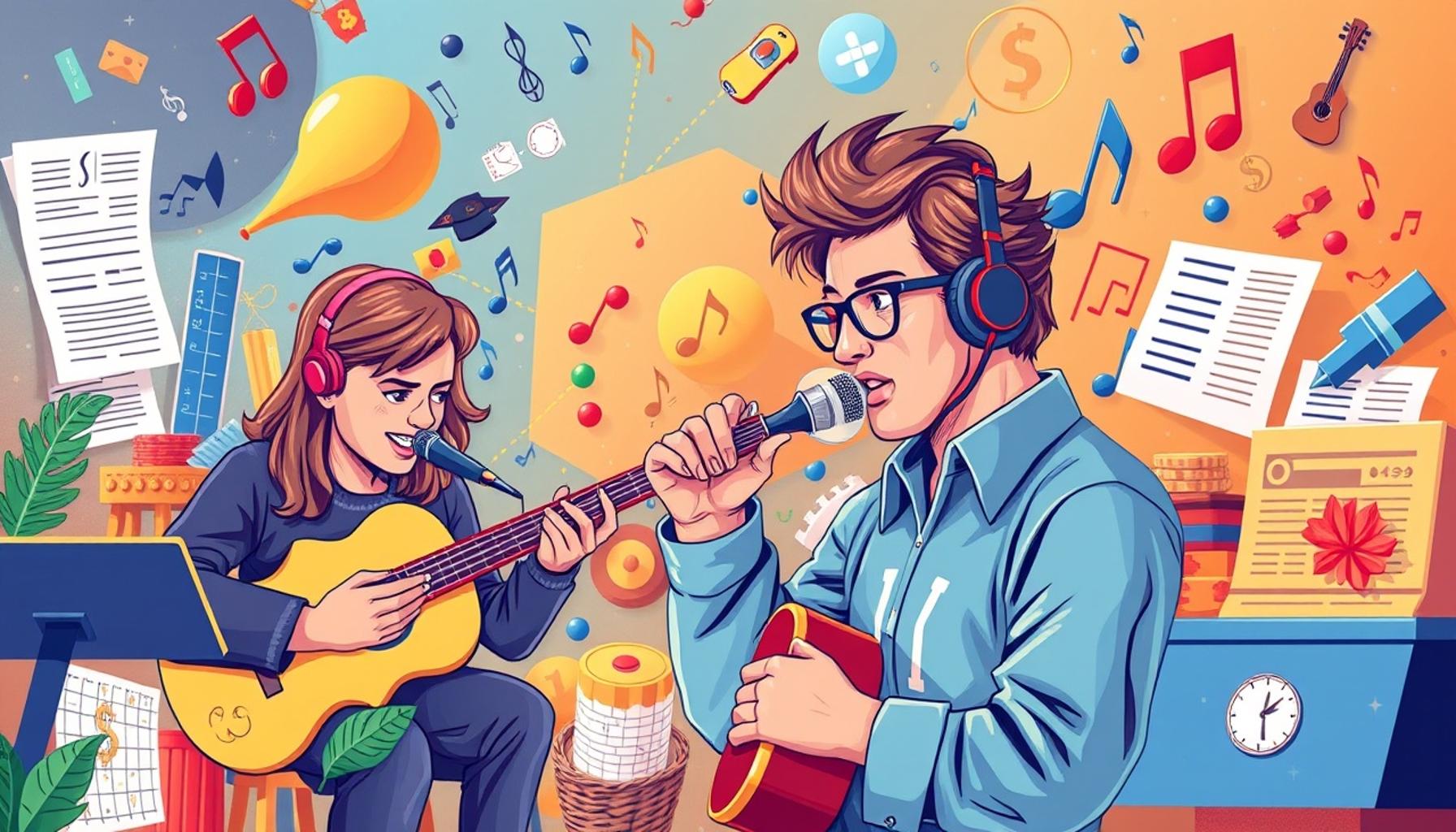
The world of music is a vibrant tapestry woven together by innovation and creativity, often ignited through the synergy of artists working in collaboration. When musicians unite their talents, the resulting outcomes can be nothing short of revolutionary. This collective creativity propels the emergence of unique sounds and groundbreaking styles that would be challenging for anyone to achieve alone. In many ways, collaboration acts as a catalyst for pushing artistic boundaries and fostering growth that is often unattainable in solo endeavors.
Take, for instance, the legendary writing partnership of John Lennon and Paul McCartney, whose collaboration not only defined the sound of The Beatles but also transformed the landscape of pop music forever. Their ability to blend contrasting musical ideas and harmonize their lyrical narratives resulted in timeless classics like “Hey Jude” and “A Day in the Life,” which continue to resonate with audiences today.
Similarly, the partnership of David Bowie and Brian Eno resulted in the groundbreaking “Berlin Trilogy.” This trio of albums, including “Low,” “Heroes,” and “Lodger,” melded art rock with avant-garde influences, showcasing how two distinct creative forces can come together to redefine a genre. Their collaboration pushed the boundaries of mainstream music, receiving critical acclaim and inspiring countless future artists.
In a modern context, the collaboration between Billie Eilish and her brother Finneas exemplifies how familial bonds can enhance artistic expression. Their joint efforts have led to chart-topping hits like “Bad Guy” and “Everything I Wanted,” demonstrating how shared creativity nurtures not just individuality but also a complementary approach that enhances their music’s emotional depth.
Today’s music industry further facilitates collaboration, providing unprecedented accessibility for artists around the globe. With advancements in technology, musicians can seamlessly:
- Connect with peers across continents, regardless of geographical constraints,
- Share ideas and concepts in real-time through digital platforms,
- Experiment with an eclectic range of genres and cultures to create innovative compositions.
This flourishing spirit of collaboration nourishes emerging talent and cultivates new and exciting sonic landscapes. Recognizing the importance of collaboration not only illuminates the logistics of music creation but also underlines how partnerships can elevate an artist’s vision, expanding the horizons of musical potential.
As this collaborative landscape continues to evolve, the role of technology and global connectivity will undeniably play a critical part in shaping the future of music. Curiosity about these partnerships often leads to exploration and discovery, as listeners seek out unique musical experiences that arise from the beautiful interplay of creative minds working together.
DISCOVER MORE: Click here to dive deeper
Creativity Unleashed: The Collaborative Process
Collaboration in music creation not only enhances the artistic process but also fundamentally transforms the way music is conceived, produced, and experienced. Collaboration can take many forms, from songwriting partnerships to collective production efforts that involve musicians and engineers working together. By pooling diverse talents and perspectives, artists are able to create richer, more textured music that resonates with a broader audience. This amalgamation of ideas often leads to innovations that might have remained locked away if individual artists had worked in isolation.
The importance of collaboration extends beyond mere performance; it is deeply rooted in the creative process itself. For instance, consider the spectacular output from collaborative projects such as the Supergroup phenomenon. Bands like Temple of the Dog and Them Crooked Vultures, formed by established musicians from different backgrounds, have produced iconic tracks that showcase the power of multiple influences converging in the same space. These collective endeavors often yield distinctive sounds that stand apart from conventional solo artists’ offerings.
In addition to traditional band dynamics, the rise of online collaboration platforms has further democratized music creation. Artists can now connect with collaborators worldwide, breaking down geographical barriers that once limited creativity. The accessibility of tools like Soundtrap or Ableton Live enables musicians to work together even when separated by miles. This not only enhances creativity but also leads to a cross-fertilization of styles, allowing for genre-blending compositions that continue to captivate listeners.
Moreover, collaboration often brings unique viewpoints that challenge and inspire artists to think differently. When a country singer partners with a hip-hop artist, as seen with Lil Nas X and his chart-busting hit “Old Town Road,” innovation emerges from this unexpected fusion. Such collaborations help push genres beyond traditional boundaries and establish new cultural dialogues, encouraging artists to take creative risks that can lead to extraordinary developments within the music industry.
Some key benefits of collaboration in music creation include:
- Diverse perspectives: Different backgrounds and experiences enhance the creative process.
- Skill enhancement: Artists learn new techniques and approaches from one another.
- Networking opportunities: Building relationships with a variety of musicians can lead to further projects and collaborations.
- Resource sharing: Collaborators can pool their resources and networks to maximize exposure.
Through collaborative efforts, the landscape of music creation is constantly evolving, allowing for a richer array of sounds and styles. The blend of varied artistic influences becomes a shared journey, weaving together distinct voices into pieces that resonate across cultures. As we examine the landscape further, it becomes clear that partnerships not only elevate individual artists but also ultimately enrich the entire music community.
The Essence of Collaboration in Music Creation
Collaboration in music can spark creativity and innovation in ways that solitary efforts often cannot achieve. When artists come together, they bring unique perspectives and diverse backgrounds that can lead to groundbreaking musical ideas. For instance, the blending of different genres often results in fresh sounds that challenge conventional boundaries. In today’s dynamic music industry, where listeners are constantly seeking new experiences, such collaborations can become the driving force behind chart-topping hits. Moreover, partnerships can foster a creative environment that encourages experimentation. Collaborative spaces allow musicians to share their strengths and push each other’s creative limits. When working on new projects, artists often find that their contributions are enhanced by the input of others. This sense of mutual trust and respect can yield innovative songwriting techniques and novel production methods. The impact of collaboration stretches beyond the creation of music; it also enhances marketing and outreach efforts. Artists who collaborate can share their fan bases, effectively broadening their reach and increasing their visibility in a competitive market. For example, high-profile collaborations like those seen in the rap genre, where artists feature guest appearances, not only enrich the music but also introduce new audiences to their work. These partnerships can also bring together individuals with various skills, such as songwriters, producers, and instrumentalists, each contributing a vital component to the final product. Such synergy often results in a richer, more complex sound, which resonates with a broader audience and keeps the music fresh and exciting. With technology enabling seamless communication and collaboration across different geographic locations, the possibilities are endless. Virtual collaborations have become increasingly prevalent, proving that distance is no barrier to creativity. As artists explore this new age of musical integration, the collaborative spirit will undoubtedly continue to thrive.
| Advantages | Key Features |
|---|---|
| Increased Creativity | Combining diverse musical styles leads to innovative soundscapes. |
| Broader Audience Reach | Partnerships allow for cross-promotion and sharing of fan bases. |
DIVE DEEPER: Click here to enhance your understanding
Unlocking New Horizons: The Impact of Collaboration on Creativity
Beyond the immediate artistic benefits, collaboration in music creation serves as a catalyst for cultural innovation and societal reflection. When musicians collaborate, they tap into the zeitgeist of their respective communities, reflecting shared experiences and collective emotions. The result is often music that resonates on a deeper level with listeners, establishing a powerful connection between artist and fan. This synergy is not just limited to mainstream genres; even in niche music scenes, collaboration allows for localized voices to be amplified and showcased to broader audiences.
The collaborative spirit is evident in initiatives like Music for Relief, a nonprofit organization founded by members of the band Linkin Park, which brings together artists across genres to create music for humanitarian causes. Such projects illustrate how partnerships can leverage the unique abilities of various musicians to address pressing global issues through the universal language of music. This not only raises awareness but also unites fans in a common goal, emphasizing the potential of collaborations to foster social change.
Moreover, the integration of technology in collaboration has truly revolutionized music creation. Artists like Billie Eilish and her brother Finneas O’Connell exemplify how technological tools can enhance this collaborative process. Utilizing home studios equipped with digital audio workstations, they produce intricately layered songs that tap into both their artistic synergy and the capabilities of modern technology. This seamless melding of personal creativity with technological prowess showcases how collaboration can lead to groundbreaking musical innovation.
Additionally, the music industry has witnessed a significant shift towards collaborative consumption, where artists are increasingly collaborating with brands and visual artists to create multimedia experiences. Think of Beyoncé‘s partnership with Adidas for her Ivy Park line, which fuses fashion and music through carefully crafted aesthetic collaborations. This not only expands the artist’s creative parameters but also allows them to engage with their audiences in new and multifaceted ways.
A further testament to the importance of collaboration is evident in the realm of education. Many music programs are beginning to emphasize the significance of teamwork in their curricula, encouraging students to work together on projects, song arrangements, and performances. Programs like The Berklee College of Music in Boston have adopted this collaborative framework, producing graduates who understand the value of working with others to push creative boundaries.
What’s exciting about this collaborative movement is that it reflects a broader shift in how we perceive artistry. No longer is the lone genius the only path to success; instead, artists who embrace partnership are often those who lead the way in the music industry. The growing recognition of collaboration as a significant driver of creativity and innovation suggests that contemporary music will continue to evolve in dynamic and unforeseen directions.
To encapsulate the essence of collaboration, consider the following elements:
- Cultural resonance: Collaborative projects often encapsulate shared experiences, providing deeper emotional connections.
- Technological innovation: Modern tools facilitate unique collaborations that were previously inconceivable.
- Brand partnerships: Collaborations with brands create new avenues for artistic expression and audience engagement.
- Educational frameworks: Emphasizing teamwork in music education prepares artists for a collaborative industry landscape.
The pathway of collaboration in music creation is rich and multifaceted. With each partnership, artists create new opportunities not only for themselves but also for their audiences and communities at large. As we navigate through this evolving landscape, the role of collaboration continues to illuminate the promise and possibility that lie at the intersection of creativity and innovation.
DISCOVER MORE: Click here to delve into the artistry of personal narrative
Embracing Collaborative Creativity in Music
In conclusion, the significance of collaboration in music creation cannot be overstated. Partnerships among artists breathe new life into creativity, pushing boundaries and redefining genres. When musicians from diverse backgrounds come together, they foster an environment ripe for innovation, merging different influences and cultural touchstones to create music that is not only original but also resonant with broader audiences. This collaborative spirit not only enriches the artistic landscape but also transforms how music serves as a reflection of society’s collective consciousness.
As explored throughout this article, initiatives such as Music for Relief exemplify how collaborative projects serve both artistic and humanitarian purposes, demonstrating music’s potential to unite and inspire. Furthermore, the integration of technology has opened doors for unprecedented forms of collaboration, proving that distance is no barrier to artistic synergy. As we witness artists increasingly embracing brand and multimedia partnerships, it is clear that collaboration offers a fresh lens through which to engage with fans and expand artistic expression.
Education in music programs also emphasizes the importance of teamwork, preparing emerging artists for a collaborative industry landscape. The collective vision nurtured in these educational settings equips musicians with the skills necessary to thrive in an interconnected world. Ultimately, the shift towards collaboration represents a reimagining of the artist’s role, suggesting that the coming years will yield even more innovative sounds and movements.
Therefore, as we look ahead, it is essential for both artists and audiences to embrace and champion the collaborative ethos in music creation. By doing so, we can anticipate a vibrant future where the power of partnership continues to drive creativity and innovation, fostering a rich tapestry of musical expression that inspires and connects us all.