Dance and Movement: The Language of the Body as Artistic Expression and Social Connection
The Artistic Aspect
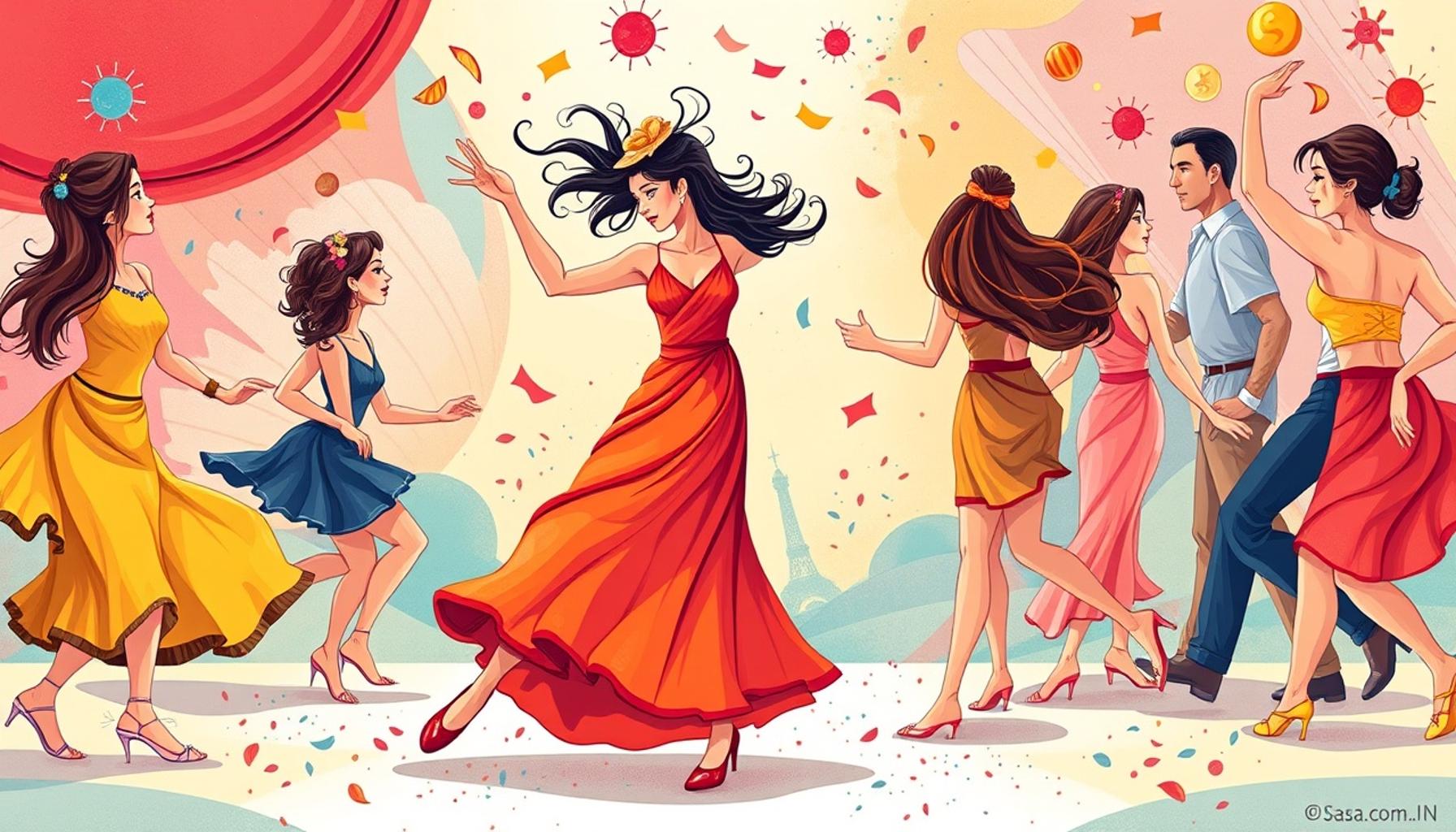
Dance is not merely an art form; it is a powerful medium for translating personal narratives and shared experiences into visceral artistry. One of the most compelling elements of dance is choreography, the structured sequences of movements that collectively convey a dancer’s message. This form of storytelling can be observed in the intricacies of ballet, where each pirouette and tendu speaks to themes of grace and discipline, or in the powerful and rhythmic movements of hip-hop, which might articulate struggles and triumphs from the urban experience.
Moreover, style plays a significant role in the diversity of dance forms, with each cultural background contributing to unique ways of expression. Traditional dances, such as the hula of Hawaii or the tango of Argentina, reflect the history and social customs of their origins, while contemporary styles emerge from urban centers, showcasing the blend of culture and innovation. For example, the explosive moves of breakdancing have roots in African American and Latino communities, adding layers of social commentary about identity and resilience.
Additionally, emotional expression is a cornerstone of dance, enabling performers to channel feelings that resonate with audiences. Just consider the profound sadness depicted in contemporary dance pieces that reflect personal loss or the celebration of life in joyous folk dances that bring communities together. Each movement encapsulates a sentiment, making them relatable and universal.
Connecting Through Movement
Beyond artistry, dance serves as a vital connector among individuals and communities, cultivating social bonds that transcend cultural and linguistic boundaries. Community gatherings such as dance events or festivals not only celebrate creativity but also foster unity and collective joy. Events like the annual National Dance Day encourage people to join together in movement, regardless of skill level, displaying a beautiful tapestry of diversity within shared experiences.
Furthermore, many dance forms spotlight social issues, using movement as a catalyst for dialogue and reflection. Dance can be a vehicle for activism, addressing critical subjects like racial injustice and mental health awareness. For instance, the widely-discussed “Black Lives Matter” dance challenges use choreography to convey powerful messages and mobilize communities. Such performances transform the stage into a platform for change, prompting audiences to re-evaluate societal norms.
Moreover, dance often creates inclusive spaces, where studios and classes welcome diverse participants spanning various ages, ethnicities, and abilities. Programs like Dance for All in the United States embody this principle, offering accessible dance classes that aim to break down socio-economic barriers. These initiatives not only foster creativity but also promote a sense of belonging among individuals who may feel marginalized in other aspects of life.
By examining the intersection of dance, movement, and human connection, we unlock insights into our shared humanity. As we delve deeper, we find that the language of the body remains a profound force, shaping art and society in inventive and meaningful ways.
DIVE DEEPER: Click here to discover more about sustainable cuisine
The Power of Dance as a Cultural Narrative
At its core, dance serves as a cultural narrative, rich in history and steeped in traditions that span millennia. From ancient rituals to contemporary performances, dance embodies the values, beliefs, and stories of communities, acting as a living archive of human experience. Each dance form, whether it’s the traditional Irish jig or the vibrant Bollywood style, offers insight into the cultural fabric from which it originates. In the United States, for instance, the evolution of dance is a reflection of its melting pot identity, showcasing influences from Native American, African, European, and Latino cultures.
Many dance forms revolve around significant social themes. For example, the phenomenon of line dancing, popular in country settings, emphasizes community participation and celebration, often seen at weddings and social gatherings. Similarly, the cultural resurgence of salsa in urban centers like New York City tells a story of Latino heritage, where rhythms of the Caribbean blend with the street beats of the city, symbolizing both a homage to roots and an embrace of innovation.
An Exploration of Styles and Techniques
The intricate styles of dance not only entertain but also convey powerful emotions and messages. Each genre employs unique techniques that enhance artistic expression. For instance, the fluidity of contemporary dance allows performers to express raw emotion in ways traditional forms might not. On the other hand, the precision of classical ballet promotes discipline and technical expertise, often communicating themes of strength and vulnerability through its structured movements.
Aside from practice and performance, dance also serves as a reflective medium where audiences can explore their own feelings and experiences. Consider the healing power of dance movement therapy, which integrates the physical expression of movement with psychological healing. This form of therapy has gained traction across the United States, offering an avenue for individuals to process trauma and foster self-acceptance, showcasing dance’s potential as a transformative tool.
Building Bridges Through Dance
In communities across America, dance has a unique ability to foster social connections. Programs like the Dancing with the Stars: Live! Tour or community flash mob events highlight the way dance transcends barriers, bringing together people from diverse backgrounds, ages, and skill levels. Enthusiasts join forces in celebration, often promoting messages of charity and inclusion, thus reinforcing bonds that might otherwise remain unformed.
Moreover, dance classes and workshops provide safe spaces for participants to explore their creativity while engaging with others. Schools and community organizations are increasingly recognizing the importance of incorporating dance into their wellness programs, understanding its impact on physical and mental health.
As we peel back the layers of dance and movement, it becomes clear that they are not only channels for artistic expression but also fundamental mediums for social connection. The rhythm of the body has the remarkable ability to unite individuals, transforming solitary expression into a communal experience that celebrates our shared humanity.
Exploring the Depth of Dance and Movement
Dance and movement are powerful forms of communication that transcend verbal language. They serve as a creative outlet and foster social bonds among individuals. Historically, various cultures have utilized dance not only as a performance but as a cohesive tool to bring communities together. From tribal rituals to modern dance-offs, the art form remains a dynamic medium for self-expression and collective identity.Additionally, the impact of dance extends beyond mere entertainment. Studies have shown that engaging in dance promotes mental well-being, enhancing cognitive function and emotional health. The physical activity involved releases endorphins, which can combat feelings of anxiety and depression. Furthermore, the rhythmic movements in dance can improve coordination, balance, and strength, making it beneficial for people of all ages.Moreover, dance acts as a bridge to connect diverse groups, fostering inclusivity and understanding. Workshops and community dance events encourage individuals from various backgrounds to come together and share their stories through movement. These interactions can often lead to meaningful relationships built on shared experiences, showcasing how dance serves not just as an artistic expression but also as a social connector.Through the lens of dance, one can appreciate the rich tapestry of human emotions and experiences. It is a profound reminder of our innate need for connection and expression, urging individuals to explore their own bodies and the stories they wish to tell. In the context of artistic expression and social connection, dance is a universal language that speaks to the very core of our humanity. Discovering its various forms and significance opens new avenues for interpretation and connection, urging us to delve deeper into our own expressions and identities. As we continue to explore the multifaceted dimensions of dance, we uncover an endless source of inspiration and growth.
| Advantages | Key Features |
|---|---|
| Creative Expression | Allows individuals to showcase their emotions through movement. |
| Social Bonding | Brings people together, fostering friendships and community ties. |
| Health Benefits | Promotes physical fitness and emotional well-being. |
| Cultural Exchange | Facilitates understanding of diverse traditions and practices. |
As the field continues to evolve, it beckons everyone to dance, explore, and connect, making it crucial in understanding social dynamics and personal growth.
DIVE DEEPER: Click here to unlock the secrets of storytelling
The Role of Dance in Community Building
Dance serves as a powerful vehicle for community building, demonstrating how movement can foster relationships and create a sense of belonging. In urban settings, community dance initiatives often work to bridge cultural gaps, paving the way for intergenerational and intercultural dialogues. Organizations like Dance for Change bring together diverse groups through workshops and performances, emphasizing collaborative creativity and encouraging participants to learn from one another’s backgrounds.
Furthermore, dance festivals across the United States, such as the renowned American Dance Festival in Durham, North Carolina, offer platforms for artists and communities to connect. These events highlight a range of dance styles and witness the interaction of myriad forms of artistry, from hip-hop to traditional folk dances. Participants not only showcase their skills but also engage in critical discussions about the evolution of dance and its role in social justice, underscoring the idea that movement can be an agent of change.
Dance as a Means of Political Expression
Historically, dance has been utilized as a tool for political expression. In many grassroots movements, dance has provided a stage for voices that demand attention. For example, the Black Lives Matter movement saw countless instances where dance was employed in protests as a form of defiance and resilience. Choreographed routines mingle with passionate street performances, creating an impactful fusion where art and activism collide. The visibility dance provides is invaluable, amplifying messages that resonate deeply within communities.
In addition, various styles like Capoeira, a Brazilian martial art that combines elements of dance and music, have long been associated with resistance against oppression. In the United States, Capoeira has gained popularity as a means of self-expression and identity formation, particularly among marginalized communities, allowing individuals to connect their personal narratives with larger socio-political contexts.
The Therapeutic Nature of Dance
Beyond its artistic and social implications, dance also holds significant therapeutic potential. Research has demonstrated that engaging in dance can lead to improved emotional regulation and cognitive function. Dance therapy is being increasingly recognized in clinical settings as a method for mental health treatment, helping clients explore their emotions and chronic stressors through movement. Programs like Dance Therapy Programs in hospitals specifically cater to patients recovering from surgery or dealing with illness, proving dance’s effectiveness in promoting both physical and psychological well-being.
Moreover, the integration of technologies in dance has opened new avenues for therapeutic practices. Virtual reality (VR) dance therapy, for instance, allows patients to engage in immersive environments where they can explore their movements without judgment, enabling them to step outside of their comfort zones. This innovative approach not only enhances self-esteem but also reaffirms the connection between mind and body.
Conclusion: The Unbroken Circle of Dance
The depth and breadth of dance as an artistic medium and social connector are vast and multifaceted. Whether it serves as a form of cultural storytelling, a community-building exercise, or a means of political protest, dance possesses an unparalleled ability to unite people across diverse backgrounds. As society continues to evolve, so too does the significance of dance, reminding us that the language of the body transcends words, echoing the foundational connections that bind us all.
DIVE DEEPER: Click here to discover fun DIY crafts for kids
Conclusion: Embracing the Power of Dance
In conclusion, the journey through the world of dance and movement reveals its profound impact as both an artistic expression and a means of social connection. The rich tapestry of dance not only reflects the cultural narratives of diverse communities but also serves as an avenue for individuals to share their stories and emotions in ways that words often cannot capture. As we have explored, dance cultivates community ties, fostering understanding and empathy among individuals from various backgrounds. Events like the American Dance Festival highlight this intersection of culture, unity, and creativity, underscoring the role of movement in promoting social change.
Furthermore, the political dimensions of dance serve as a potent reminder of its ability to convey urgent messages and advocate for social justice. The integration of styles like Capoeira into contemporary movements exemplifies how dance can resonate with struggles for identity and resilience. Beyond artistic and political realms, the therapeutic benefits of dance increasingly resonate within healthcare, proving that movement not only enriches our lives creatively but also nurtures our well-being.
As we navigate an ever-evolving society, let us embrace the essence of dance as a universal language that bridges divides, facilitates connections, and inspires change. In this way, dance remains an unbroken circle that invites everyone to participate, express, and connect—a testament to the enduring power of the human spirit through movement.