Incorporating Cultural Influences in Your Music: A Global Perspective
The Essence of Cultural Fusion in Music
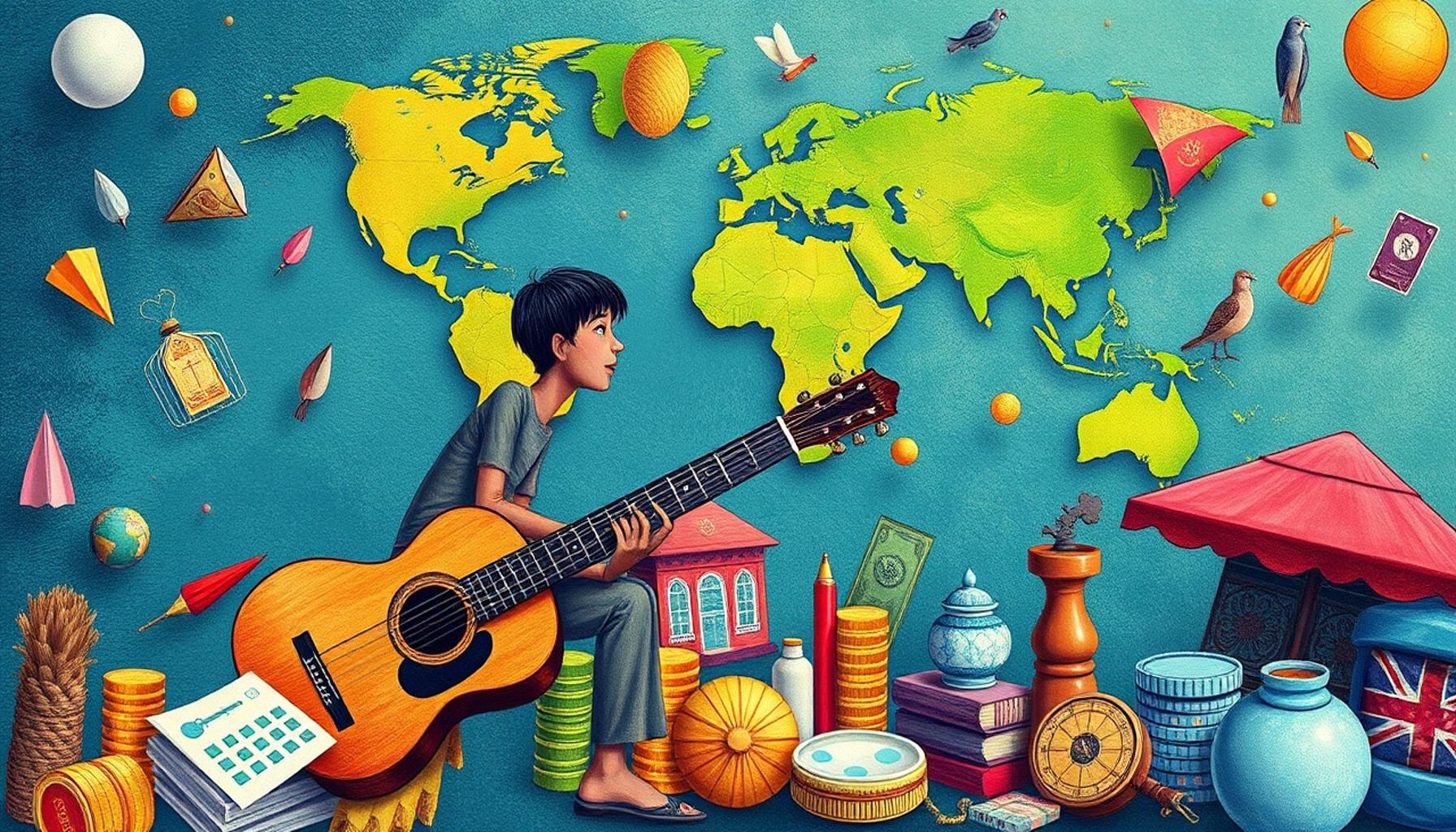
Music functions as a powerful vessel for cultural expression, reflecting the intricacies of human experience across various societies. One of its most compelling features is its ability to blend different cultural sounds, creating a tapestry that resonates with a wide array of emotions and experiences. This incorporation of cultural influences is not merely an artistic endeavor; it serves as a bridge connecting diverse peoples through shared rhythms and melodies.
Take for example the genre of jazz, which emerged from the rich cultural heritage of African American communities in the early 20th century. Jazz is distinguished by its improvisational style and its ability to absorb sounds from various traditions. The genre creatively synthesizes African rhythms, European harmonic structures, and the emotive elements of Latin music. Icons like Louis Armstrong and Duke Ellington exemplified this blend, paving the way for future artists to incorporate global influences, thus expanding jazz’s reach beyond its original boundaries.
Similarly, the genre of reggae, which originated in Jamaica during the late 1960s, highlights the fusion of Caribbean musical traditions with elements from American jazz, R&B, and even ska. The rhythmic emphasis on the offbeat lends reggae its signature sound, while prominent figures like Bob Marley have popularized its messages of peace and social justice worldwide. This interconnectedness illustrates how music can serve as a platform for promoting understanding and empathy across cultural divides.
The broad category known as world music further encapsulates the diverse sounds emerging from different cultures, often interweaving traditional melodies with contemporary instrumentation and production techniques. Artists such as Yo-Yo Ma and Tinariwen exemplify how world music can innovate while respecting cultural heritage, drawing in listeners who are eager to explore sounds from the far reaches of the globe.
As technology evolves, artists today have unprecedented tools at their disposal to enhance their musical exploration. With the rise of streaming platforms like Spotify and Apple Music, musicians can easily connect and collaborate with international artists, experimenting with a kaleidoscope of sounds. This accessibility allows for the blending of genres, enabling artists to reach wider audiences and create music that defies traditional categorizations.
However, the process of incorporating these cultural influences goes beyond repetition. It requires an appreciation for the origins of these genres and a commitment to respecting their history. Artists who genuinely engage with the cultural narratives behind their influences often create more profound and meaningful connections within their music.
As we delve into the intricate landscape of global musical influences, we uncover the threads that weave through our favorite songs, enriching our lives and fostering a sense of community. Exploring these connections not only opens our ears to new sounds but also deepens our understanding of the world around us.
DIVE DEEPER: Click here to discover the art of DIY jewelry making
Exploring Cultural Rhythms and Melodies
In the rich tapestry of music, the act of incorporating cultural influences is not just about blending styles; it’s about storytelling through sound. Artists who draw inspiration from multiple cultures can create layers of meaning that transcend geographical borders. This ability to tell a universal story is what attracts listeners and cultivates a sense of belonging among diverse communities. The exploration begins with understanding the foundational elements of various genres, revealing the backgrounds that inform and shape musical expression.
On one hand, you have rhythm, a fundamental component that varies in its manifestation from culture to culture. For instance:
- African drumming is known for its polyrhythmic complexity, where multiple rhythms are played simultaneously. This technique has significantly influenced genres such as rock and hip-hop.
- Indian classical music incorporates intricate rhythms (known as tala) and melodic frameworks (known as raga) that create an experience of deep spiritual connection through music.
- Latin music, with its syncopated beats and vibrant instrumentation, has found its way into pop and dance music, creating an infectious energy that captivates listeners worldwide.
Alongside rhythm, melody functions as a key element of cultural identity. The scales used in different musical traditions can evoke distinct emotional responses. For example, the use of the pentatonic scale in East Asian music creates a specific sound that is soothing and contemplative, often creating ambiance in both traditional and modern genres. On the other hand, the use of microtones in Middle Eastern music challenges Western listeners, providing new perspectives on harmony and pitch.
As artists blend these global elements, they can create music that does not merely reflect a specific tradition but rather embodies a cross-cultural dialogue. Collaborative projects often serve as hotspots for innovation, where musicians from different backgrounds come together to fuse their unique styles. Consider the collaboration between artists like Shakira, who combines Colombian cumbia and pop influences with her haunting vocals, or Residente, a Puerto Rican artist blending reggaeton with traditional folk elements to address social issues.
Moreover, music festivals and cultural exchange programs have become key platforms for fostering these creative interactions. Events such as the World Music Festival in Chicago or GlobalFest in New York showcase diverse musical acts, encouraging collaboration and appreciation across cultures. These gatherings not only highlight the multitude of sounds from around the world but also invite artists and audiences alike to delve deeper into the roots and stories behind the music.
Nonetheless, successful cultural integration in music relies heavily on an artist’s ability to approach these influences with authenticity and respect. Artists must be aware of the cultural significance and historical context behind the sounds they adopt, avoiding appropriation and instead fostering genuine appreciation. Engaging with cultural narratives through music enriches the listening experience, creating a deeper connection between the artist and their audience.
As we continue to explore the profound links between music and culture, it becomes evident that every note and rhythm carries with it a story waiting to be shared. This journey of discovery invites musicians and listeners alike to appreciate the multifaceted nature of our global musical landscape.
| Cultural Influence | Impact on Music |
|---|---|
| Folk Traditions | Incorporating folk melodies and rhythms creates a rich cultural texture that resonates deeply with listeners. |
| Global Instrumentation | Using instruments from different cultures adds unique timbres that enhance the overall soundscape of a piece. |
| Musical Scales | Employing scales from various traditions opens new melodic lines and emotional avenues for expression. |
Continuing the exploration of “Incorporating Cultural Influences in Your Music: A Global Perspective,” it becomes evident that every cultural component brings a distinct flavor to the musical composition. Folk traditions, for instance, often resonate with audiences, as these melodies carry the weight of history and storytelling that can evoke strong emotional connections. The use of global instrumentation is yet another avenue through which artists bridge divides; instruments such as the sitar or djembe introduce sounds that are both foreign and familiar, creating an enchanting fusion of styles.Another fascinating aspect is the adoption of musical scales that differ from the Western norm. By utilizing scales such as the pentatonic or maqam, musicians can explore new melodic territories, which introduces a broader spectrum of emotional expressions. This combination of cultural elements not only fosters innovation in music creation but also cultivates a sense of global unity, making cultural appreciation a cornerstone of contemporary music. The more artists delve into this rich tapestry of global influences, the more they can create compelling musical narratives that resonate across diverse demographics.
DIVE DEEPER: Click here to discover the therapeutic power of art
Embracing Diversity and Innovation
The incorporation of cultural influences in music extends beyond the mere blending of styles; it provides a fertile ground for innovation and the evolution of genres. In a world increasingly interconnected through technology and communication, artists have unprecedented access to a wide array of musical traditions, which they can utilize to create entirely new sounds. This phenomenon is not just about fusing different styles, but also involves an engagement with the stories, instruments, and practices that define various cultures.
For instance, the growing trend of utilizing traditional instruments in modern music exemplifies this fusion. Look at artists like Yo-Yo Ma, the renowned cellist who has integrated the cello with instruments from diverse cultures, such as the shamisen from Japan or the Oud from the Middle East. His project, The Silk Road Ensemble, brings together musicians from different cultures to explore the musical dialogues between Eastern and Western traditions, showcasing how traditional sounds can coexist and enhance contemporary compositions.
Moreover, the influence of world music on popular music genres reflects a promising shift toward a more inclusive musical landscape. The Grammy Awards have expanded their categories over the years to acknowledge this diversity, creating a global platform for artists who might otherwise remain unheard. For example, the rise of Afrobeat, with its infectious rhythms and heartfelt lyrics, has gained massive traction within mainstream music, largely due to artists like Burna Boy and Wizkid. Their success has shattered preconceived notions of genre boundaries, demonstrating that music can be a vibrant and evolving form of expression that transcends origin and cultural background.
In addition to solo artists, we see a growing number of collaborative projects that push the boundary of cultural integration. Many artists are joining forces with musicians from different backgrounds to jointly create music that embodies a multitude of influences. The collaboration between the British group Coldplay and Indian artist A.R. Rahman in the song “Mera Joota Hai Japani” serves as a prime example. This fusion not only showcases the blending of Western pop with Indian classical elements but also tells a story of globalization in music, tapping into the essence of what it means to create art in a multicultural world.
A vital aspect of this cultural integration is the impact of digital technology. Platforms like Spotify and SoundCloud have allowed artists to reach an international audience, bypassing traditional barriers to entry. Today, a musician in a small town can collaborate with someone on the other side of the world, sharing and blending their influences in real-time. The ability to experiment with sounds through digital audio workstations (DAWs) also has democratized music production, making it more accessible than ever.
This seamless collaboration and experimentation inevitably lead to the eventual need for cultural sensitivity. Artists are encouraged to engage with diverse influences with a mindful approach, considering the histories and traditions that accompany them. Appropriating another culture’s music without understanding its significance can spark controversy and resentment. Therefore, artists must strive to be informed and respectful, fostering an environment of mutual appreciation and exchange.
As the global music scene continues to evolve, it’s clear that the interplay of various cultural influences leads to not only richer musical compositions but also stronger cultural connections. Each performance becomes an opportunity for reflection on identity, community, and the shared experiences that unite us through the universal language of music.
DIVE DEEPER: Click here to discover more
Conclusion: The Future of Music in a Cultural Mosaic
As we navigate the evolving landscape of music, the incorporation of cultural influences is not merely a trend but a transformative movement that enriches the creative fabric of the industry. By embracing diverse musical traditions, artists are not only innovating but also helping to construct a global musical identity that transcends borders. This cross-cultural dialogue fosters a deeper understanding and mutual appreciation among listeners, bringing together communities that might have otherwise remained separate.
The fusion of genres, exemplified by collaborations between artists from different backgrounds, speaks to the potential of music as a unifying force. As more musicians draw inspiration from their cultural roots while integrating contemporary elements, we witness the birth of new genres that defy traditional categorization. Such innovation highlights music’s intrinsic ability to adapt, grow, and resonate with diverse audiences, whether through the rhythmic pulses of Afrobeat or the haunting melodies of traditional folk instruments being reimagined in modern compositions.
However, with this power comes responsibility. Artists must strive for cultural sensitivity, remaining aware of the histories and nuances behind the sounds they are adopting. A commitment to respect and understanding is essential in harnessing the full potential of global musical influences, ensuring that the results are authentic and enriching rather than exploitative.
In conclusion, the journey of incorporating cultural influences into music is an ongoing exploration—a quest to connect, reflect, and celebrate our shared humanity through sound. As this dynamic landscape continues to unfold, it invites musicians and audiences alike to engage in a collective celebration of diversity, crafting a musical tapestry that truly embodies the spirit of our interconnected world.