Music as a Tool for Social Connection: Creating Bonds Through Composition
The Universal Language of Music: Connecting Us All
Music possesses a unique ability to transcend cultural, linguistic, and geographical boundaries, fostering social connections that unite individuals from diverse backgrounds. Through rhythms and melodies, people can find common ground, celebrate shared experiences, and forge lasting relationships. Whether it is the soft strains of a love ballad heard during a quiet evening at home or the rousing beats of protest songs echoing in city streets, music acts as a universal language, resonating deeply within our emotional core.
One of the clearest ways music influences our lives is through community engagement. Events like local concerts, open mic nights, and vibrant music festivals serve as focal points for communities, bringing together individuals who might otherwise never meet. For instance, the annual Coachella Valley Music and Arts Festival in California not only showcases performances from globally recognized artists, but also creates an environment where people from various walks of life gather to celebrate their love for music. Such events inherently promote diverse interactions that nurture a sense of community.
Moreover, shared experiences during musical moments can significantly enhance our sense of belonging. When people gather and sing along to a beloved anthem—like Bruce Springsteen’s “Born to Run” at a concert—they become part of a collective memory. These moments of unity can transcend age, race, and socioeconomic differences, creating bonds that extend beyond the music itself. Furthermore, studies have shown that singing in groups, like choirs or communal gatherings, can lead to increased feelings of trust and camaraderie among participants.
Music also provides emotional support through its resonant lyrics and themes that often reflect personal struggles. For example, songs that address issues like heartbreak, loss, or triumph can resonate deeply with listeners, allowing them to connect with others who have faced similar challenges. This shared emotional landscape can facilitate conversations and friendships grounded in understanding and empathy.
Research indicates that engaging in music together correlates with enhanced social behavior, promoting increased interaction and deepening emotional connections among individuals. Participating in jam sessions with friends or attending a jazz night at a local bar can act as a powerful catalyst for forging new friendships and enriching the community experience.
Discovering New Perspectives
As we continue to explore the intricate ways music binds us, consider how composition serves not only as an art form but also as a mechanism for connecting people on a deeper level. From exploring jazz roots in New Orleans to the folk traditions of Appalachia, music reflects our shared humanity, bridging gaps between cultures and generations. It encourages understanding by inviting listeners to step into different narratives, fostering empathy in a world that often feels divided.
In sum, music is more than just entertainment—it is a powerful tool for connection that enriches our lives and friendships. Reflect on your own musical experiences and consider how they have influenced your relationships with others. As we journey through this fascinating topic, the potential for music to draw us closer together is undeniably profound.
DISCOVER MORE: Click here to learn about sustainable cuisine
Music as a Collaborative Platform
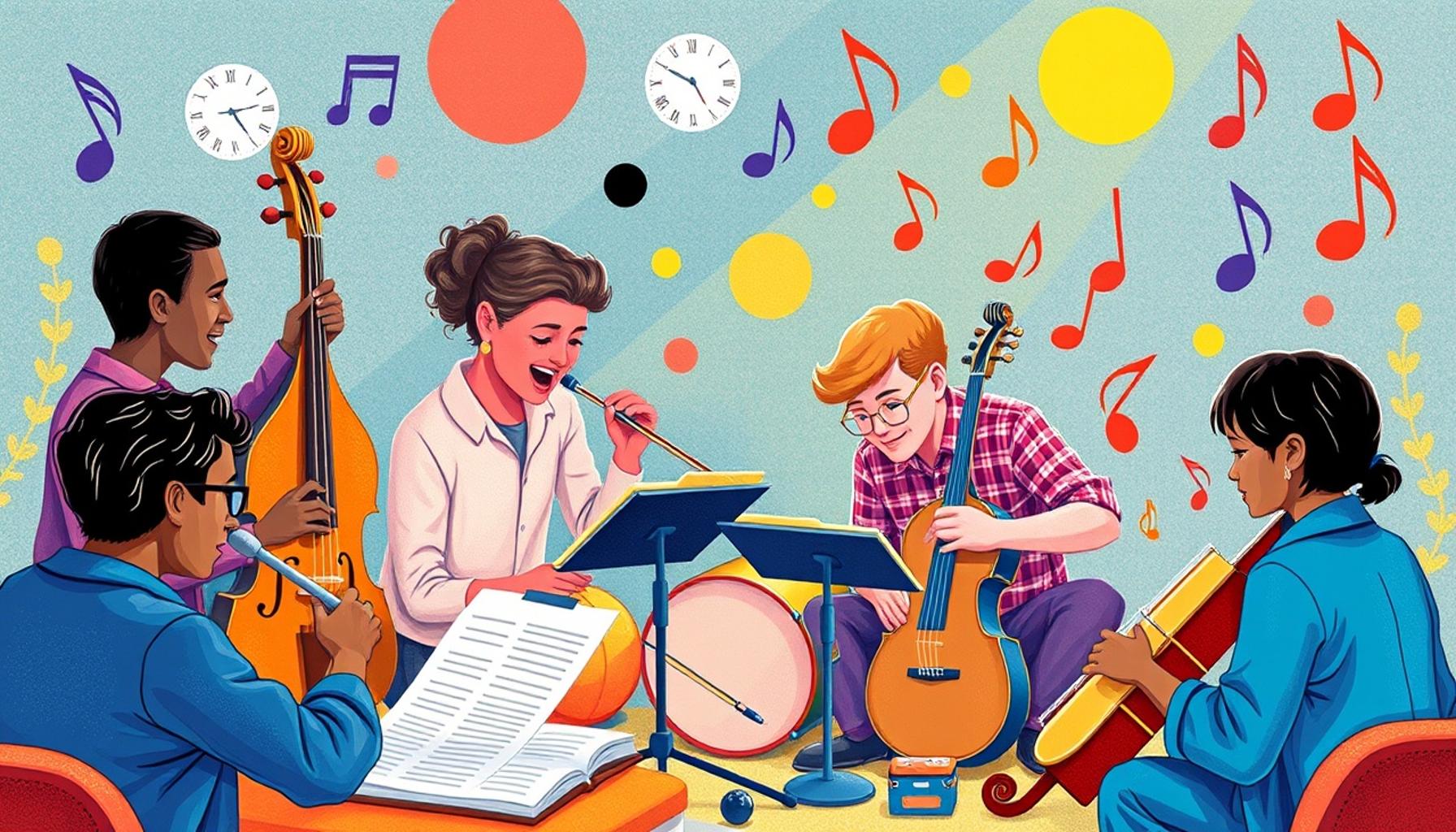
Delving into the realm of composition, it becomes clear that creating music together fosters a powerful sense of collaboration and unity. When individuals come together to write songs, compose melodies, or arrange harmonies, they engage in a mutual artistic journey that nurtures both creativity and connection. This collaborative process not only refines musical skills but also encourages participants to share their unique ideas and perspectives, contributing to a rich tapestry of sound and meaning.
Consider the countless examples of how collaborative music projects have sparked social movements and connections. Groups like Playing for Change use music as a universal tool to promote peace and understanding across cultures. By bringing together musicians from around the world, the initiative showcases the power of collaboration to transcend societal divides. This demonstrates that when people unite under the banner of music composition, they can create not only compelling art but also foster bonds that can inspire change and create global conversations.
In America, community music groups, such as orchestras, bands, and choirs, serve as excellent platforms for forming friendships and social ties. These initiatives present a unique opportunity for individuals, from novices to seasoned musicians, to engage in collaborative composition. The act of coming together to produce something harmonious inevitably reinforces social connections among participants. For instance, when school choirs or local theater groups perform, the shared goal of creating an unforgettable experience cultivates a sense of belonging and mutual support.
Notably, the phenomenon of songwriting circles offers an inviting space for artists of all backgrounds to share their thoughts and feelings through music. Participants take turns presenting their original work, providing constructive feedback, and even co-writing songs. This open exchange not only results in new compositions but also strengthens the emotional bonds among collaborators. Some of the benefits of participating in such circles include:
- Enhanced Creativity: Collaboration often breeds innovation, as diverse perspectives encourage out-of-the-box thinking.
- Increased Social Interaction: Regular meetings facilitate deeper conversations and friendships, creating strong community ties.
- Emotional Expression: Sharing personal experiences through songwriting can lead to catharsis, and foster empathy among participants.
Furthermore, structural composition workshops allow participants to engage in a hands-on approach to crafting music. These workshops provide participants with guidance on effective songwriting techniques and musical theory while encouraging them to share personal narratives through their work. By guiding individuals through the intricacies of composition, these workshops manage to create a supportive environment where collaboration thrives.
Proof of music’s role as a unifying force can be seen in the rise of social media platforms that encourage people to share their compositions. Users from different backgrounds can collaborate on projects, offering their vocal or instrumental contributions regardless of physical distance. This virtual collaboration highlights how the accessibility of music composition continues to strengthen social connections in our increasingly digital world.
Bridging Generations and Cultures
As we uncover further implications of music as a means of social connection, it is essential to explore how different musical genres bring together individuals who may span generations, socio-economic backgrounds, or cultures. In essence, composition serves as a bridge, paving the way for shared experiences and mutual understanding.
| Advantage | Explanation |
|---|---|
| Enhanced Communication | Music provides a universal language that transcends barriers, fostering dialogue among diverse groups. |
| Emotional Bonding | Collaborative composition creates shared experiences that strengthen emotional ties and mutual understanding. |
| Cultural Exchange | Engaging in music composition allows for the sharing and appreciation of different cultural backgrounds, creating inclusive communities. |
| Creative Expression | Music offers a platform for individuals to express their identities, connecting them through creativity and collaboration. |
An underlying theme in the exploration of music as a social connector is its ability to facilitate meaningful interactions. For instance, through group composition workshops, individuals from varied backgrounds can unite their distinctive perspectives. This collaborative effort to create music often leads to the formation of lasting friendships and networks, emphasizing the role of creativity in human connection.
DIVE DEEPER: Click here to discover your creative journey
Intergenerational Collaborations
The impact of music composition as a tool for social connection extends beyond the immediate artistic process; it also plays a pivotal role in bridging generational gaps. Many community organizations and workshops are dedicated to pairing seasoned musicians with youth, allowing different generations to collaborate on original compositions. This interaction not only fosters mutual respect and understanding but also encourages the transfer of knowledge, skills, and traditions from one generation to the next.
A notable example is the Young Audiences Arts for Learning initiative, which brings together professional artists and students in various artistic disciplines, including music. Young participants are encouraged to compose, perform, and express themselves while gaining insights from their older counterparts. By participating in such projects, older musicians find renewed inspiration, while younger composers gain invaluable mentorship, creating a dynamic rich in creativity and emotional exchange.
Moreover, intergenerational music-making promotes a shared sense of identity and community. For instance, in folk music traditions, older generations often introduce younger ones to the stories and cultural histories embedded in the melodies. This practice not only preserves important cultural narratives but also reinforces familial and community bonds through shared musical experiences. Communities across the United States exemplify this, with local events such as community jam sessions and themed music workshops that invite all ages to participate, create, and celebrate together.
Cultural Fusion Through Composition
Another exciting aspect of music composition lies in its potential for cultural fusion. As diverse groups come together to create music, they often blend elements from different genres and traditions. This blending has become increasingly common in the multicultural landscape of America, where hip-hop, bluegrass, jazz, and various world music influences coexist. Collaborative projects that incorporate diverse musical styles can stimulate cross-cultural dialogues and promote inclusivity.
Consider the phenomenon of world music festivals that highlight cross-cultural compositions. These festivals attract musicians from various backgrounds, encouraging them to collaborate and innovate. A standout is the Newport Folk Festival in Rhode Island, where artists come together to create a unique sound blending traditional American music forms with contemporary styles from around the globe. Such experiences allow attendees to witness the power of music as a communal language, breaking down barriers and fostering a sense of belonging among varied audiences.
The digital age has further accelerated the practice of cross-cultural musical compositions. Online platforms like Kompoz and Soundtrap enable musicians from different corners of the globe to connect, co-create, and release their original works. These digital collaborations cultivate a sense of global community, reflecting a shared narrative that transcends geographic boundaries. For instance, a musician in Los Angeles collaborating with a lyricist in Accra, Ghana, may produce a song that weaves together their unique cultural stories, embracing both individual and collective experiences.
Through these examples, it becomes increasingly evident that music composition acts as a vital connector, weaving intricate social networks that transcend age, culture, and background. As individuals engage in this enriching collaborative process, the transformative power of music becomes an undeniable catalyst for building lasting bonds and fostering understanding in our diverse, interconnected world.
DIVE DEEPER: Click here to embark on your creative journey</p
Conclusion
In a world increasingly defined by division, music serves as a profound tool for social connection that transcends barriers of age, culture, and background. Throughout this exploration, we have seen how intergenerational collaborations not only inspire creativity but also nurture relationships, allowing wisdom to be passed down while fostering mutual understanding between the young and the old. The power of music to connect individuals is beautifully encapsulated in community initiatives, where local musicians unite their talents on shared projects.
Equally important is the potential for cultural fusion through composition, a process that breaks down geographical and cultural divides. As musicians from diverse backgrounds converge to create innovative soundscapes, they open channels for dialogue and understanding, celebrating inclusivity and the rich tapestry of human experience. Events like world music festivals exemplify this phenomenon, inviting audiences to partake in a shared musical journey that honors tradition while embracing modern expression.
Moreover, the digital age has accelerated these connections, providing platforms that encourage collaborations beyond borders. As musicians collaborate online, they weave narratives that reflect our shared humanity, enriching the cultural landscape in unique ways. Ultimately, music composition does not merely create bonds; it creates a community, one note at a time. As we continue to explore and engage with music’s potential, we uncover not just melodies and harmonies but also the collective heartbeat of our diverse society. This ultimately heralds the importance of music as a unified chorus in our journey toward connection and understanding.