Transforming Recyclable Materials into Art: Sustainable DIY Ideas
Unleashing Creativity Through Recycling
In a world increasingly aware of environmental challenges, the potential of recyclable materials goes beyond just waste management. Artists and DIY enthusiasts alike are turning discarded items into stunning works of art. This not only fosters creativity but also promotes sustainability in our daily lives.
Why Choose Recycled Art?
Transforming everyday materials into art has many benefits that extend beyond personal satisfaction. Here are just a few:
- Environmental Impact: Each piece of art made from recycled materials contributes to reducing landfill waste, which is critical as the United States faces a growing waste crisis. In fact, according to the EPA, Americans generated about 292.4 million tons of trash in 2018, with less than a third getting recycled. Repurposing materials helps mitigate this issue by giving new life to items that would otherwise be discarded.
- Cost-Effective: Creating art from recycled materials can be budget-friendly. Many items, such as plastic bottles, tin cans, and cardboard boxes, are often free or inexpensive, making it an ideal choice for students, artists, and families on a budget.
- Uniqueness: Each recycled art piece is one-of-a-kind, showcasing not only personal style but also a story. This uniqueness adds value to the artwork, setting it apart from mass-produced items found in retail stores.
Materials That Inspire
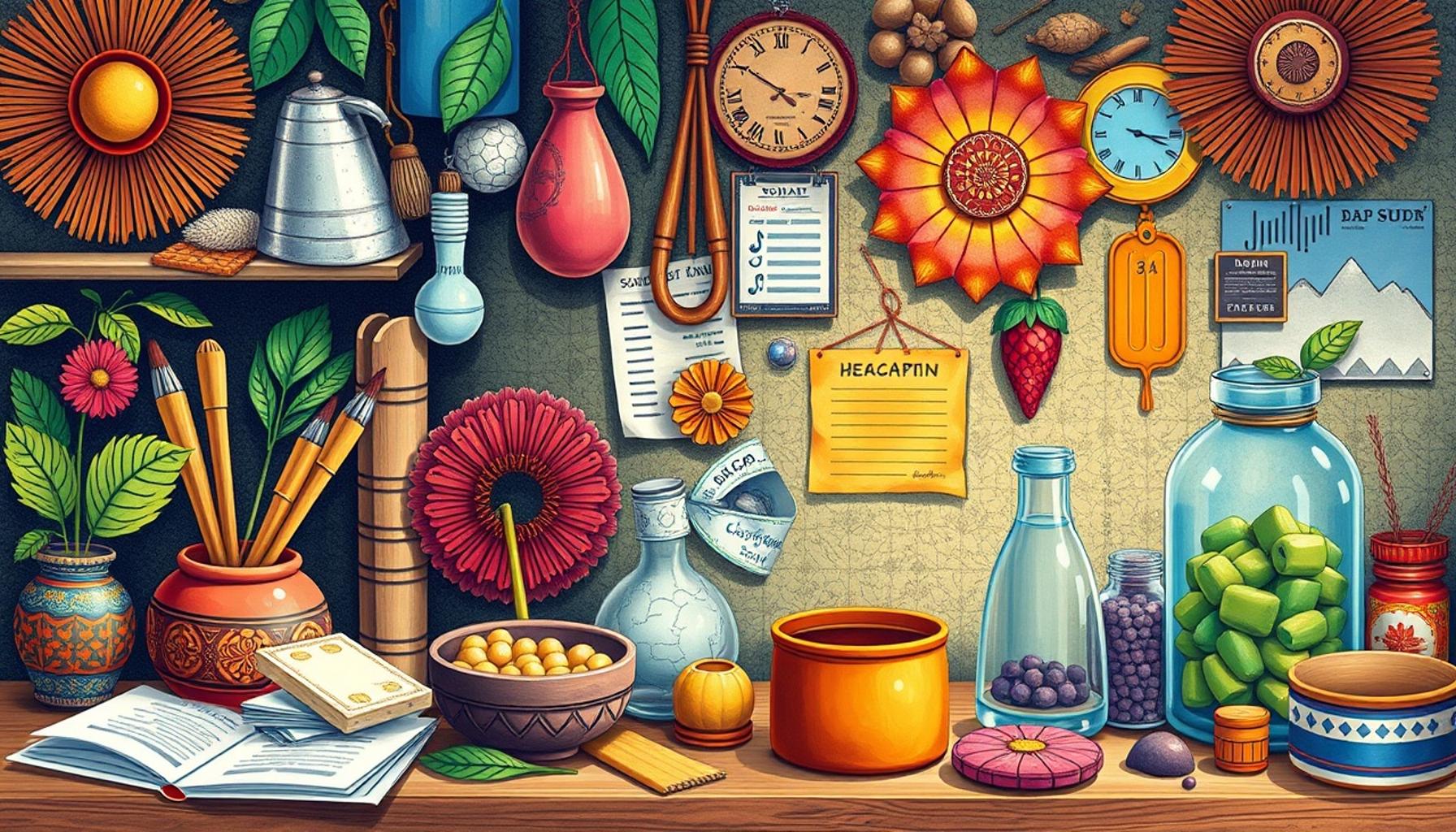
From kitchen scraps to old clothing, a surprising array of materials can be transformed into beautiful art. Consider using the following:
- Plastic bottles: These can be cut and shaped to create hanging planters or decorative chandeliers, beautifying your home while also reducing plastic waste.
- Cardboard boxes: Perfect for creating elaborate sculptures or colorful mosaics, cardboard can be painted, cut, and assembled into eye-catching displays.
- Old newspapers and magazines: These can be used in collages or papier-mâché projects, allowing for a fun exploration of different textures and patterns.
- Wine corks and bottle caps: These quirky materials can be repurposed into functional art pieces like coasters or bulletin boards, adding a bit of whimsy to your décor.
- Fabric scraps: Perfect for patchwork or soft sculptures, leftover fabric can breathe new life into worn-out clothing and transform it into eye-catching pieces of art.
By harnessing these items, you can create amazing projects such as sculptures, mosaics, and even functional art pieces. The world of recycled art offers endless possibilities, encouraging you to dream big and actually make a difference. So grab a few discarded materials and start your own DIY journey into the creative realm where sustainability meets artistic expression!
DISCOVER MORE: Click here to dive deeper
Unconventional Creatives: The Artists Behind Recycled Art
The movement of transforming recyclable materials into art transcends mere DIY projects; it is revolutionary. Artists across the United States are emerging as beacons of sustainability, using creativity to tackle one of the greatest environmental challenges of our time. By breathing new life into items often discarded as garbage, they not only tell compelling stories through their work but also spark essential conversations about waste and responsibility.
The Role of Community in Recycled Art
Communities play a crucial role in the evolution of recycled art. Local workshops and art co-ops often serve as gathering places where individuals can share their knowledge and skills while collaborating on projects that emphasize sustainability. Programs that encourage community involvement promote the idea that art can be both a medium of expression and a vehicle for change.
In cities such as San Francisco and New York, artists are hosting workshops that teach others how to transform everyday materials into artistic creations. These endeavors lead to a sense of empowerment and foster a greater understanding of the importance of recycling. As groups come together, they often inspire each other with innovative designs and inventive uses for previously overlooked materials.
Inspirational Projects from Across the Nation
Artists nationwide are demonstrating the limitless potential of recycled materials. Consider the following captivating projects that highlight the power of sustainability:
- Public Art Installations: In many urban areas, pieces made from recycled materials decorate public spaces. For example, a giant sculpture of a sea turtle created from plastic waste serves as a reminder of the dangers of pollution and the impact of consumer habits on ocean life.
- Community Murals: Local artists often collaborate to design murals using repurposed objects, infusing a sense of community pride while promoting recycling efforts. These pieces not only beautify neighborhoods but also spark interest in sustainability.
- Crafting Functional Art: Many artists create furniture and home décor items from old materials—turning broken furniture into stunning centerpieces or crafting lighting fixtures from discarded glass bottles. Each piece tells a story about its previous life while serving a new purpose.
The popularity of recycled art reflects a broader cultural shift towards sustainability that resonates with audiences young and old. It functions as a powerful reminder that creativity can transform not only materials but also the way we think about waste. As more individuals consider the environmental impact of their choices, the art created from recyclable items becomes a pulse of knowledge and inspiration, encouraging participation in sustainable practices.
With an innate ability to transform the mundane into the extraordinary, artists are championing the movement of recycled art, inviting others to join the journey towards a sustainable future. This is just the beginning; an endless landscape of creativity awaits those willing to explore what can be created from the materials that surround us every day.
Exploring Creative Benefits of Sustainable DIY Art
Transforming recyclable materials into art is not only a fulfilling creative endeavor but also elucidates numerous environmental benefits and personal advantages. By engaging in sustainable DIY art projects, individuals can contribute to a larger movement aimed at reducing waste and promoting eco-conscious practices. As we delve deeper into this fascinating artistic journey, let’s explore how such creativity can impact our lives and the planet.
| Category | Key Features |
|---|---|
| Resourcefulness | Utilizes everyday waste to create unique art pieces |
| Cost-effective | Saves money on art supplies while reducing landfill waste |
The act of creating art from recyclable materials inspires resourcefulness, as it challenges artists to think outside the box and see beauty in what is often considered trash. This shift in perspective can lead to innovative designs that celebrate sustainability.Moreover, engaging in DIY projects can be a cost-effective approach to express creativity. By leveraging materials that would otherwise be discarded, individuals not only save money but also actively participate in an eco-friendly lifestyle that prioritizes the health of our planet. These DIY projects foster a sense of accomplishment and pride, as they result in unique pieces that reflect personal and environmental values.In this way, every piece created serves as a powerful reminder of the impact of sustainability on our lives. Exploring the limitless forms of art through recycling invites everyone to contribute to a greener future, making each project more than just a creative outlet—it becomes a movement toward change.
DISCOVER MORE: Click here to dive deeper
DIY Transformations: Engaging Everyone in Sustainable Art
As artists carve out their space in the realm of recycled art, the DIY community also thrives, allowing individuals and families to join the movement. With a plethora of resources available, transforming recyclable materials into art isn’t just limited to seasoned artists—it can be a fun and educational experience for all ages. Simple projects can ignite imaginations while teaching vital lessons about sustainability and responsibility.
Accessible Projects for All Ages
The beauty of DIY recycled art is its accessibility. Here are some engaging projects that can be easily tackled at home or in schools, promoting the ideas of creativity and environmental awareness simultaneously:
- Plastic Bottle Planters: One of the most straightforward projects involves turning empty plastic bottles into stunning planters. By cutting the bottles in half, painting or decorating them, and adding soil, individuals can create unique indoor or outdoor garden displays while contributing to reducing plastic waste.
- Magazine Wall Art: Old magazines are treasure troves of colors and textures, perfect for creating vibrant collages or wall hangings. Folding, cutting, and layering pages can result in captivating designs that personalize any space, showcasing a blend of creativity and sustainability.
- Milk Carton Birdhouses: Transforming empty milk cartons into birdhouses is a delightful way to engage children with nature. With some paint, glue, and creativity, these whimsical homes can be added to backyards, fostering a connection to wildlife while recycling at the same time.
Emphasizing Upcycling in Communities
The term upcycling has gained traction, representing a step beyond recycling—turning unwanted materials into items of higher value. Communities across the country are harnessing this trend through workshops, art fairs, and festivals that celebrate sustainable practices. Such initiatives provide a platform for local artists and DIY enthusiasts to showcase their work and connect with the public.
For instance, annual events like the LA Recycled Art Exhibit in Los Angeles or the Seattle Upcycle Festival have positioned themselves as centers for the recycled art movement. They not only highlight the work of emerging artists but also provide hands-on activities for attendees of all ages, inviting them to create their own masterpieces using recycled materials.
Online Platforms and Social Media Influence
With the rise of social media, DIY recycled art has found its place in virtual communities. Platforms like Instagram and Pinterest serve as inspiration hubs where ideas flourish, and creativity thrives. Many influencers focus on sustainability, sharing simple DIY videos that demonstrate innovative ways to repurpose everyday items. These online resources play a pivotal role in spreading awareness and motivating individuals to embrace the recycled art movement.
Moreover, hashtags like #UpcycledArt and #SustainableDIY gather massive followings, connecting enthusiasts from all backgrounds. By encouraging individuals to share their projects, an ever-growing gallery of recycled art becomes accessible, showcasing the creativity and ingenuity of global citizens committed to sustainability.
As DIY transforms our approach toward recyclable materials, it fosters a sense of community engagement and environmental responsibility. There is a growing realization that through these simple acts of artistic creation, we can instill a love for sustainability in future generations while making the world around us more beautiful.
DISCOVER MORE: Click here to dive deeper
Conclusion: The Art of Sustainability
In today’s rapidly changing world, the movement of transforming recyclable materials into art serves as a powerful reminder of the creative agency everyone possesses. As explored, the scope of sustainable DIY ideas extends beyond mere aesthetics; it encompasses vital lessons on environmental stewardship, resourcefulness, and community connection. By engaging in hands-on projects, individuals foster an appreciation for the materials that surround them, while also contributing positively to the planet.
From crafting plastic bottle planters to creating intricate magazine collages, these accessible initiatives appeal to artists of all ages, encouraging families to unite in creative expression. Moreover, community events such as the LA Recycled Art Exhibit offer ideal platforms for collaboration and innovation, bringing awareness to the importance of upcycling in our practices.
As our understanding of sustainability deepens, online platforms amplify this artistic revolution by connecting DIY enthusiasts globally. With the ability to share experiences and learn from one another, these interactions inspire countless individuals to embrace the challenge of reimagining waste. Embracing the hashtag phenomena, movements like #UpcycledArt motivate creators to step forward and celebrate their contributions toward a greener future.
The call to action is clear: embrace the transformative power of art, and let it guide you towards a more sustainable lifestyle. By turning our waste into artistic expressions, we not only enrich our lives but also leave a positive imprint on the world for generations to come.