
Sustainable Cuisine: Creating Delicious Dishes with Local and Seasonal Ingredients
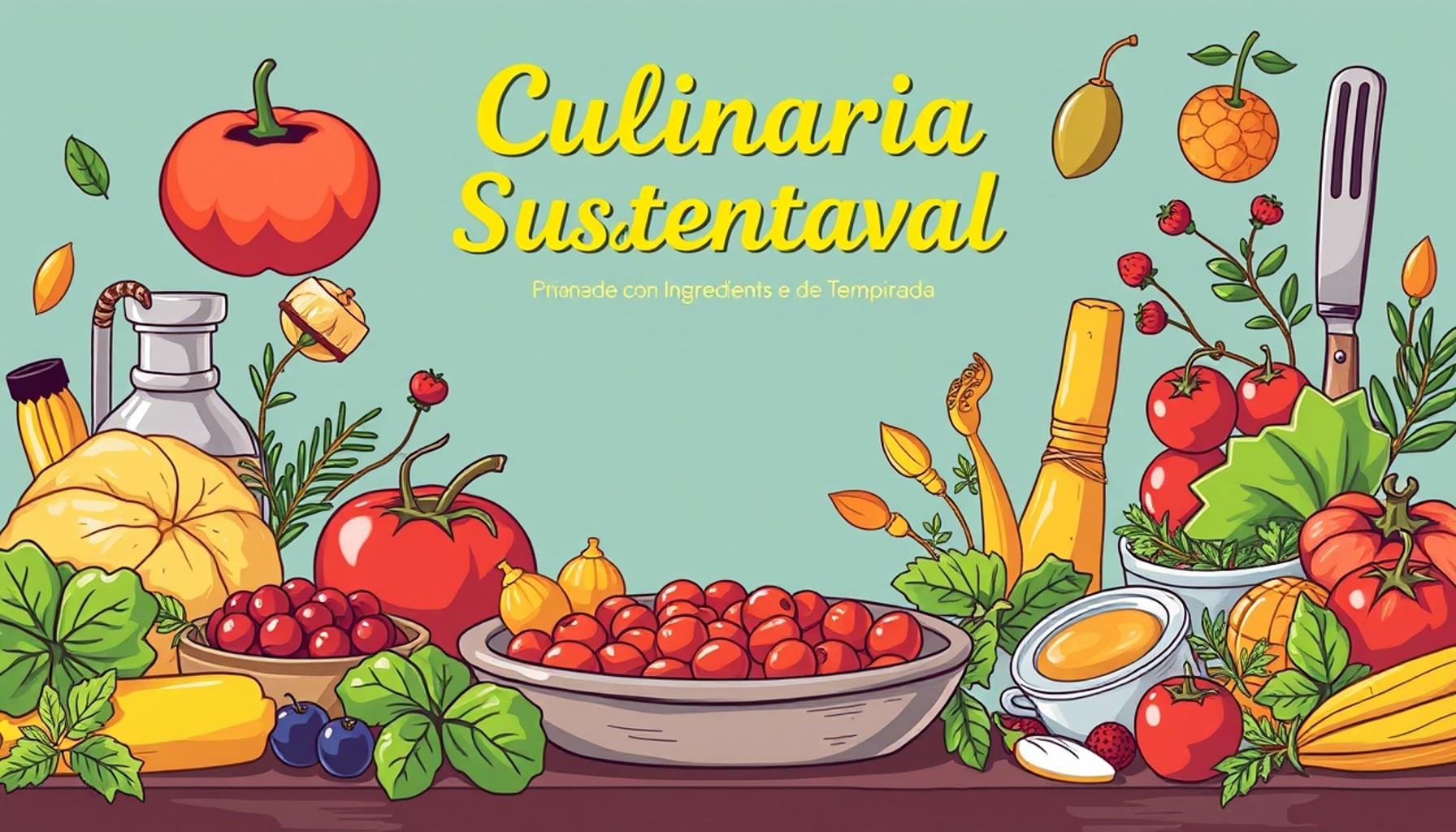
Embracing Sustainable Cuisine
In today’s world, the push for sustainability is reshaping how we approach food. Sustainable cuisine emphasizes the importance of using local and seasonal ingredients, providing a flavorful and eco-friendly culinary experience. By focusing on these principles, we not only create delicious dishes but also support our communities and ecosystems. The movement towards sustainable cuisine is not merely a trend; it’s a necessary shift in how we think about what we eat and where it comes from.
Benefits of Sustainable Cuisine
Choosing local and seasonal foods contributes to a healthier environment and palate. Here are some key benefits:
- Freshness: Local ingredients are often harvested at peak ripeness, resulting in superior flavor. For instance, a vine-ripened tomato from a nearby farm will always taste better than one shipped thousands of miles, which might have been picked before it was fully ripe.
- Seasonality: Cooking with seasonal produce means embracing an ever-changing array of dishes throughout the year. Imagine delighting in sweet strawberries in early summer, vibrant squash in the fall, and hearty root vegetables in winter. Each season offers unique flavors that reflect the local landscape.
- Community Support: Sourcing from local farms helps stimulate the local economy. When you purchase from local farmers’ markets or community-supported agriculture (CSA) programs, your dollar stays within the community, supporting local families and businesses.
- Reduced Carbon Footprint: Transportation distances are minimized, decreasing greenhouse gas emissions. A meal made with ingredients grown within a hundred miles significantly cuts down on the fuel needed for transport, making a positive impact on the planet.
The movement toward sustainable cuisine is gaining momentum across the United States. Farmers’ markets, community-supported agriculture (CSA), and local farms are becoming essential links between consumers and their food sources. For example, cities like Portland, Oregon, and Austin, Texas, are known for their vibrant local food scenes, where chefs create menus that change with the seasons, showcasing the best of what the local harvests have to offer. By engaging with these resources, we discover a world of flavors and nutritious profiles present in our own backyards.
Join the Sustainable Journey
As we delve deeper into the world of sustainable cuisine, we invite you to explore how to incorporate these practices into your daily cooking. Start by visiting your local farmers’ market or signing up for a CSA to experience fresh produce and artisanal products. Learning to appreciate the bounty of our local harvests can enhance not only how we eat but also how we understand our place in the broader ecosystem. By making conscious food choices, we not just nourish ourselves but also contribute to a healthier planet for future generations.
Ultimately, embracing sustainable cuisine is about forging a more profound connection with our food and the earth. By celebrating the flavors and traditions of local produce, we not only indulge in meals that are delicious and diverse but also participate in a movement that promotes sustainability and respect for nature.
DISCOVER MORE: Click here for creative DIY gift ideas
Exploring Local Flavors
The essence of sustainable cuisine lies in the art of transforming local and seasonal ingredients into delectable meals that tell the story of their origins. By prioritizing these ingredients, we embark on a culinary journey that not only satisfies our taste buds but also fosters a deeper connection with the land. Each region has its unique crops and flavors based on climate and soil, enabling a diverse palate that can vary significantly across the country. For instance, consider the luscious stone fruits of California or the robust leafy greens of the Northeast; each region boasts ingredients that shine at different times of the year.
When we embrace the seasonal cycle, we unlock a treasure trove of unique flavors. Collaboration with local farmers allows chefs and home cooks alike to showcase dishes that celebrate what’s fresh and in season. For example, in spring, dishes featuring asparagus, radishes, and peas come alive with bright colors and crisp textures. As summer rolls in, tomatoes, zucchini, and corn burst onto dinner plates, and as autumn arrives, we see a heartier array of root vegetables and squashes take center stage.
Incorporating Seasonal Ingredients
The key to mastering sustainable cuisine lies in understanding how to incorporate seasonal ingredients into everyday meals. Here are several practical tips to help you get started:
- Visit Local Farmers’ Markets: Engage with local farmers to learn about the produce available in your community. Vendors typically offer fresh options that have been harvested within days, allowing you to enjoy the freshest flavors.
- Plan Your Meals Around Seasonal Products: Take time to plan your weekly meals around ingredients that are currently in season. Not only will this yield tastier dishes, but it will also force you to explore new recipes and cooking techniques.
- Experiment with Preservation Techniques: As seasons change, consider pickling, canning, or freezing surplus produce. This practice allows you to savor flavors long after the season has passed while minimizing waste.
- Join Community Supported Agriculture (CSA): Signing up for a CSA is an excellent way to receive a weekly box of fresh, local produce, usually including a variety of crops. This option can inspire creative cooking as you discover how to utilize unfamiliar ingredients.
Each bite of food sourced from local farms offers a chance to celebrate the culinary diversity of our surroundings. In addition, meals prepared with seasonal ingredients are often richer in nutritional value, providing us with the vitamins and minerals essential for a healthy diet. This connection to our food also deepens our appreciation for farmers, their dedication, and the hardworking individuals who contribute to our meals.
As we navigate the landscape of sustainable cuisine, let’s honor our local ecosystems by prioritizing food choices that nurture not only our bodies but also the communities around us. This commitment to sustainable practices promotes a cycle of renewal, recovery, and respect for our planet, leading us into the flavorful future of dining.
| Advantages | Details |
|---|---|
| Health Benefits | Utilizing local and seasonal ingredients ensures freshness, which can enhance the nutritional value of meals. |
| Environmental Impact | Sourcing ingredients locally reduces carbon footprints associated with transportation, promoting a more sustainable food system. |
| Seasonal Awareness | Cooking with what is in season can inspire creativity in the kitchen, encouraging chefs to experiment with new flavors and techniques. |
| Support Local Economy | Engaging with local farmers and producers helps foster community relationships and strengthens the local economy. |
The concept of sustainable cuisine not only has a profound effect on our health but also significantly benefits the environment. By emphasizing the use of local and seasonal ingredients, we create a healthier dining experience—one where freshness translates directly to superior taste and nourishment. The understanding and appreciation of what is in season promote culinary diversity, encouraging chefs and home cooks alike to embrace the unique flavors these ingredients offer.Moreover, when we opt for locally sourced food, we are actively participating in the reduction of transportation emissions, thereby taking a stand against climate change. This shift to using local products bolsters the connection between consumers and producers, fostering community ties, which plays a crucial role in building sustainable food systems.As one dives deeper into the world of sustainable cuisine, the benefits become even clearer: not only does it enrich our plates, but it enriches our communities and our planet. Discovering fresh, local ingredients opens up an entire realm of cooking possibilities that contribute to a more sustainable future.
DISCOVER MORE: Click here to unlock creative DIY ideas!
Creativity in the Kitchen
Embracing sustainable cuisine requires more than just selecting local and seasonal ingredients; it also invites the opportunity to unleash creativity in cooking. The challenge lies in combining unique and often underappreciated ingredients into delightful culinary experiences. Traditional recipes can be revitalized, and new dishes can emerge from innovative combinations of flavors native to different regions. Farm-to-table concepts champion this philosophy, positioning chefs as storytellers who create narratives through the dishes they serve.
Consider the practice of “root-to-fruit” cooking, which emphasizes using every part of a plant—something that has gained traction in sustainable kitchens across the nation. Instead of discarding the greens from radishes or the peels of squash, innovative cooks are finding ways to incorporate them into their meals, enhancing flavors while minimizing waste. A simple salad can become an artful display when garnished with roasted radish tops, offering a flavor that many people overlook. This not only showcases the season’s bounty but also teaches us about the versatility of our food sources.
Regional Cuisine Inspirations
As we inspire ourselves to cook sustainably, it helps to draw from the regional cuisines that are already thriving in local contexts. Each area’s culinary heritage can provide valuable insights into how to make the most of seasonal ingredients. For instance:
- The South: Southern cuisine has long embraced seasonal produce. Dishes such as collard greens, fried green tomatoes, and peach cobbler reflect the rich agricultural history of the region. Using local heirloom varieties of corn or incorporating fresh seafood from nearby coasts allows chefs and home cooks alike to highlight what’s available within their vicinity.
- The Pacific Northwest: This region’s temperate climate lends itself to an abundance of berries, salmon, and mushrooms. Exploring foraged ingredients like chanterelles or huckleberries not only enhances the menu but also connects diners to nature, fostering an appreciation for local ecosystems.
- The Northeast: Rich in apple orchards and dairy farms, the Northeast allows for dishes such as apple cider-glazed roasted vegetables or creamy goat cheese salads. Highlighting cheddar from local farms can elevate a simple mac and cheese into a dish that reflects the region’s flavors.
Moreover, seasonal drinking can be taken into consideration as well. Craft breweries and local wineries in various regions often produce beverages that complement and celebrate local ingredients, enhancing the overall dining experience.
By choosing to cook with local and seasonal ingredients, we foster a sense of community and responsibility towards our planet. As we become educated about the food systems that sustain us, we can transform our kitchens into spaces of exploration and innovation. Furthermore, we reciprocate the support our farmers and producers need, encouraging biodiversity and ensuring their livelihoods.
Ultimately, sustainable cuisine is an invitation to forge deeper connections with food, flavors, and the environment. The choices we make in our kitchens ripple out to affect our communities, economies, and ecosystems, creating a movement towards a more sustainable future.
DISCOVER MORE: Click here to get inspired
Conclusion: A Culinary Revolution
As we draw the curtain on our exploration of sustainable cuisine, it’s clear that this movement transcends mere culinary practice; it embodies a vital shift towards conscientious living. By consciously choosing local and seasonal ingredients, we don’t just enhance our dishes; we embrace a holistic approach that nourishes our bodies, communities, and environment. Engaging with regional cuisines further enriches our culinary repertoire, allowing us to rediscover the stories and flavors that define our localities.
Incorporating principles such as “root-to-fruit” cooking and supporting regional farmers fosters a sense of responsibility, encouraging biodiversity and sustainability in our food systems. This culinary journey offers opportunities for creativity, urging chefs and home cooks alike to push boundaries and experiment with once-ignored ingredients. As we seek to minimize waste and maximize flavor, we unintentionally become advocates for a deeper understanding of our food sources.
Moreover, the conversation about sustainable cuisine extends beyond our plates; it invites us to consider the wider implications of our choices. By cultivating relationships with local growers and producers, we contribute to resilient communities and more robust economies. Each meal prepared with intention and mindfulness serves as a step towards a more sustainable future.
Ultimately, sustainable cuisine is more than a trend; it’s a commitment to making informed choices that enrich our lives and the planet. By championing this culinary revolution, we pave the way for future generations to enjoy the fruits of our local earth while fostering a deeper connection to the food we consume.