The Rise of Home Studios: DIY Music Production in the Digital Age
Transforming Music Production
In an era where technology reigns supreme, the landscape of music production has undergone a radical transformation. Home studios are no longer a niche domain; they have emerged as a vital part of the music industry. Thanks to advancements in digital technology, anyone with a passion for music can become a producer. This accessibility has not only revolutionized how music is created but has also democratized the music-making process, allowing diverse voices and sounds to flourish.
- Access to affordable equipment: High-quality microphones, audio interfaces, and digital audio workstations (DAWs) are now more accessible than ever. Places like online retailers and local music shops offer a myriad of budget-friendly options for aspiring producers. For instance, popular DAWs like Ableton Live and FL Studio often have discounted versions or trial periods, enabling newcomers to experiment without significant financial investment.
- Training resources online: Tutorials, courses, and forums have proliferated, making learning DIY production techniques simple. Websites like YouTube and platforms such as Coursera or Skillshare offer comprehensive lessons from industry professionals. This wealth of information allows users to learn at their own pace, whether it involves mastering the intricacies of sound mixing or understanding music theory.
- Community support: Musicians can collaborate and seek feedback from a global network online. Social media platforms and music production forums such as SoundCloud and Reddit foster environments where artists can share their work, gain exposure, and receive constructive criticism. The interconnectedness of the internet has made it possible for a bedroom producer in Indiana to collaborate with an artist in California seamlessly.
The combination of these factors has led to a surge in home studios across the United States, with amateur musicians turning their bedrooms and basements into creative spaces. As a result, unique genres have blossomed, reflecting cultural influences that might have gone unheard in traditional studio environments. This has broadened the musical landscape in ways previously unimaginable.
- Genres on the rise: Lo-fi hip-hop, bedroom pop, and indie rock are flourishing within this DIY ecosystem. Artists are experimenting with sounds that blend various influences, often resulting in innovative musical styles that attract dedicated fan bases.
- Famous artists: Many successful musicians, such as Billie Eilish and Chance the Rapper, began their journeys in home studios. They exemplify the potential of home production, showing that talent and creativity can transcend the boundaries of traditional studio limitations.
This shift towards home production invites a closer look at the technological and cultural implications of DIY music creation. What does this mean for traditional studios and the music industry as a whole? With independent artists gaining more visibility and clout, traditional labels may need to adapt their approaches. As home studios continue to evolve, they serve as a crucible for the next generation of music, encouraging burgeoning talents to develop their unique musical identities. Dive deeper and explore this captivating trend that is reshaping how music is made and consumed, and consider how it impacts the future of listening experiences and the very fabric of the music industry.
DISCOVER MORE: Click here to dive deeper
The Changing Face of Music Creation
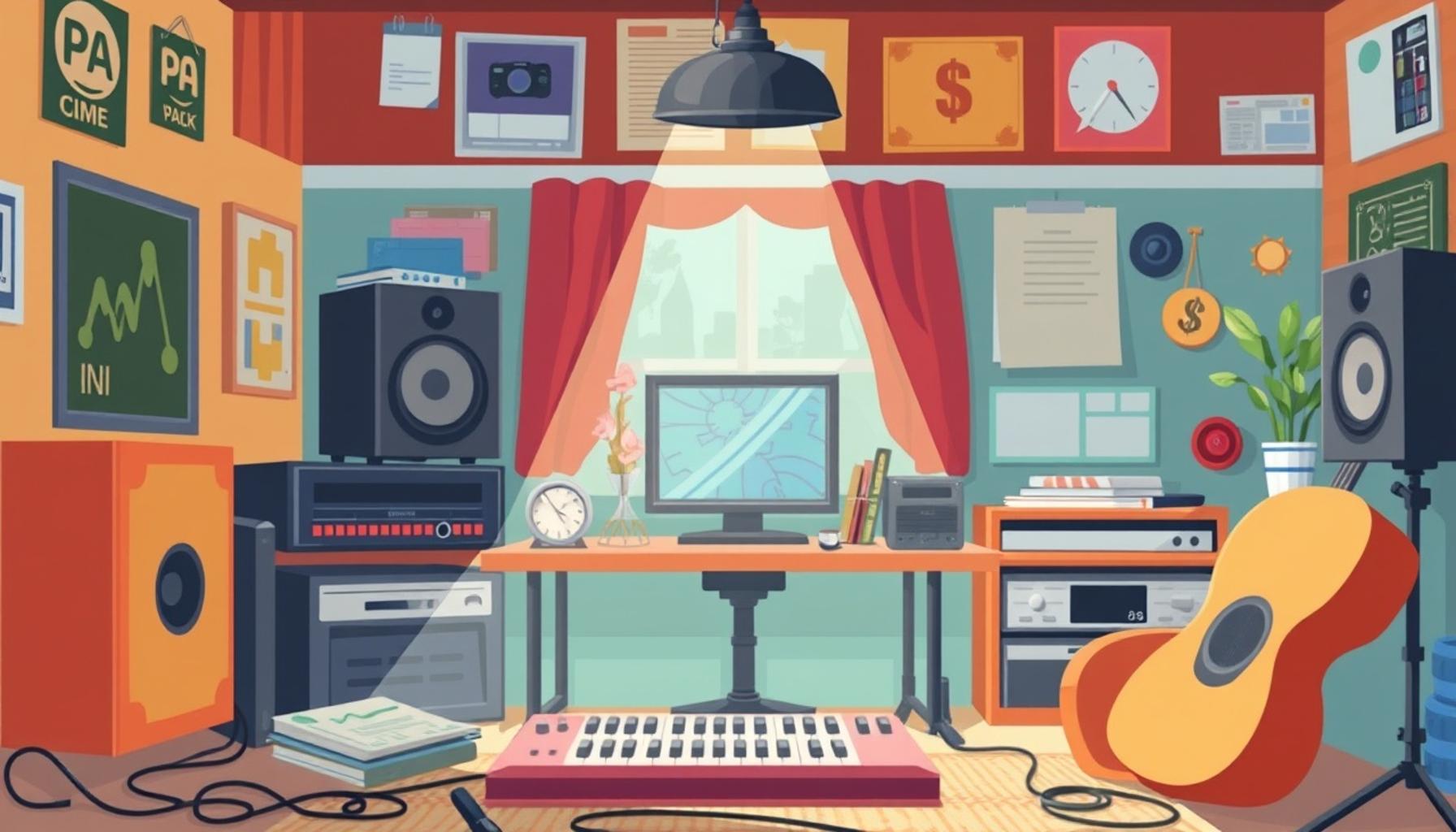
The surge in home studios signifies more than just a trend; it reflects a significant shift in the way music is conceived, produced, and distributed. With advancements in technology and a growing DIY culture, aspiring musicians can now transform their creative spaces into fully functional recording studios. This evolution has not only empowered artists but has also redefined what it means to be a music producer in the modern age.
At the heart of this revolution is the accessibility of affordable production tools. Once limited to well-funded artists with access to exclusive studios, high-quality production has become a reality for many aspiring musicians. The price of essential gear—such as microphones, MIDI controllers, and audio interfaces—has dropped significantly, enabling budding producers to equip their home setups without breaking the bank. For example, entry-level audio interfaces from brands like Focusrite and PreSonus can be purchased for under $100, and vocal microphones that capture professional-grade sound are now available at similarly reasonable prices.
In tandem with equipment accessibility, the rise of online educational resources has played a pivotal role in the democratization of music production. Artists no longer need formal education or expensive studio time to learn the ropes of audio engineering. Websites like YouTube and various online learning platforms offer countless tutorials and courses tailored to different skill levels. Whether one is interested in learning how to overcome the basic quirks of recording vocals or diving into advanced mixing techniques, the wealth of information available allows anyone to hone their skills at their own pace. This newfound ability to learn independently has created a generation of self-taught musicians capable of producing high-quality tracks from their bedrooms.
- Real-time feedback and collaboration: The internet has fueled a collaborative spirit among musicians. Online platforms allow artists to share their work, collaborate on projects, and seek constructive feedback. Communities on sites like BandLab and SoundTrap encourage new musicians to connect, fostering a sense of camaraderie that was difficult to achieve in traditional studio settings.
- Innovative marketing strategies: Independent artists are finding ways to market their music through social media campaigns, DIY music videos, and playlist placements on platforms like Spotify and Apple Music. These strategies have leveled the playing field, allowing artists to effectively reach audiences that were previously unattainable without the backing of major labels.
The explosion of home studios has given rise to a new generation of music genres that thrive on unconventional sounds and approaches. Genres such as lo-fi hip-hop, bedroom pop, and experimental electronic music are emerging, often characterized by their raw energy and authenticity. These styles reflect the diverse cultural influences of their creators, with many artists sampling local sounds or incorporating elements from their daily lives into their tracks. As a result, the musical landscape is becoming increasingly rich and varied, contributing to the evolving narrative of contemporary music.
This shift towards home studios is not just about accessibility; it represents a broader cultural change where creativity knows no bounds. The stories of successful artists who started from humble beginnings in home studios illustrate this shift. As the music industry continues to adapt to these changes, the legacy of home studios will undoubtedly shape the future, redefining how music is made, shared, and experienced across the globe.
| Advantage | Description |
|---|---|
| Cost-Effectiveness | Setting up a home studio significantly reduces expenses associated with traditional studio rentals. |
| Creative Freedom | Artists enjoy the ability to experiment with sounds without the pressure of a ticking clock. |
The DIY movement has transformed the music production landscape, empowering individuals to unleash their creativity from the comfort of their homes. Home studios, equipped with cutting-edge technology and software, have made music production more accessible than ever. With the push of a button, aspiring musicians can record, produce, and distribute their music with remarkable quality. This accessibility not only promotes a diverse array of musical styles but also cultivates a sense of community among creators who share knowledge and collaborate online. Moreover, the integration of easy-to-use Digital Audio Workstations (DAWs) enables even novice producers to dive into the world of music, making the once daunting task of creating a full-fledged track feel achievable. The current landscape invites a generation of innovators, setting the stage for unexpected musical trends and creative breakthroughs.
DIVE DEEPER: Click here to discover your unique sound
The New Wave of Musical Innovation
The emergence of home studios has birthed not only a multitude of independent artists but also a surge in musical experimentation and innovation. With the tools and knowledge now readily available, creatives are pushing boundaries and exploring sounds that previously might have required extensive resources and professional expertise. By marrying technology with personal stories, these new artists are reimagining the possibilities of what music can be.
One notable aspect of this home studio revolution is the rise of bedroom producers, many of whom are achieving significant success thanks to platforms such as SoundCloud and Bandcamp. These platforms encourage artists to share their work and connect with audiences directly, bypassing traditional gatekeepers like record labels. According to a report by IFPI (International Federation of the Phonographic Industry), over 60% of the music consumed globally now comes from independent artists, revealing a fundamental shift in consumer behavior. Major industry players are taking notice, adapting to this shift by investing in digital marketing and data analytics to track emerging trends and talents.
Additionally, as artists leverage the power of streaming services for distribution, they are also finding new opportunities for revenue generation. Merchandising, live streaming concerts, and crowdfunding campaigns through platforms like Patreon are becoming viable alternatives for financial support. This trend serves to underline the fact that a strong fan connection, rather than traditional routes, is increasingly crucial for success in today’s music landscape.
- Technological collaboration: Artists are not only utilizing their own home setups but also engaging in cross-pollination of ideas through collaborative software. Tools like Ableton Live and Logic Pro X enable musicians to work on projects synchronously, regardless of their physical locations, fostering a global community of creators.
- Integration of diverse influences: As home producers take inspiration from their unique environments, genres such as hyperpop and chillwave have emerged, blending styles as various influences collide in unexpected ways. This eclecticism is changing the dynamics of music, often leading to innovative soundscapes that reflect a more interconnected world.
The home studio phenomenon is also accompanied by an increase in the significance of visual presentation. Many artists now recognize that a compelling music video or engaging social media presence is essential for capturing audience attention. Consequently, the DIY ethic extends beyond audio production into videography, leading to a generation of multifaceted creators who wear many hats. For instance, visual content can significantly enhance the storytelling aspect of a song, adding layers of meaning and making a track more relatable to listeners.
Amidst all these changes, the music industry faces challenges and opportunities like never before. Discussing the consequences of the shift towards independent production raises questions about copyright laws, the sustainability of streaming revenues, and how big labels adapt to the landscape of countless independent creators. Artists are learning to navigate these complexities, which may lead to further innovations in how music is marketed and monetized in the coming years.
DISCOVER MORE: Click here to dive deeper
Conclusion
The rise of home studios marks a revolutionary shift in music production, democratizing the creative process and empowering artists worldwide. This transformative movement is characterized by the accessibility of technology and resources, allowing individuals to craft their distinct sounds directly from their personal spaces. As independent music has gained an unprecedented foothold—accounting for over 60% of global consumption—traditional industry structures are evolving to accommodate this new wave of talent.
With the advent of bedroom producers and DIY creators, the music landscape is thriving on innovation and collaboration. Artists are no longer confined to conventional methods of producing and distributing their work, thanks to platforms like SoundCloud and Bandcamp that facilitate direct audience engagement. The blending of genres and the incorporation of diverse influences are driving musical experimentation, resulting in fresh and eclectic sounds that resonate with a broader audience.
However, this shift also presents challenges. As the landscape continues to evolve, questions around copyright, streaming revenue sustainability, and the role of major labels persist. Artists must now navigate these complexities while continuing to forge authentic connections with fans. As we move forward, the future of music production rests in the hands of these innovative creators who embrace the DIY ethos, challenging norms, and redefining the boundaries of what is possible in this digital age.
In conclusion, the home studio movement is more than just a trend; it represents a paradigm shift that will continue to shape the music industry. As technology advances and the community of independent creators flourishes, music lovers can expect a vibrant tapestry of sound that reflects the rich diversity of human experience. This is just the beginning—late nights spent in home studios are likely to bring forth the next wave of groundbreaking artistry.