From the Studio to the Street: The Importance of Live Performance in Music Creation
The Intricate Dance of Music Creation
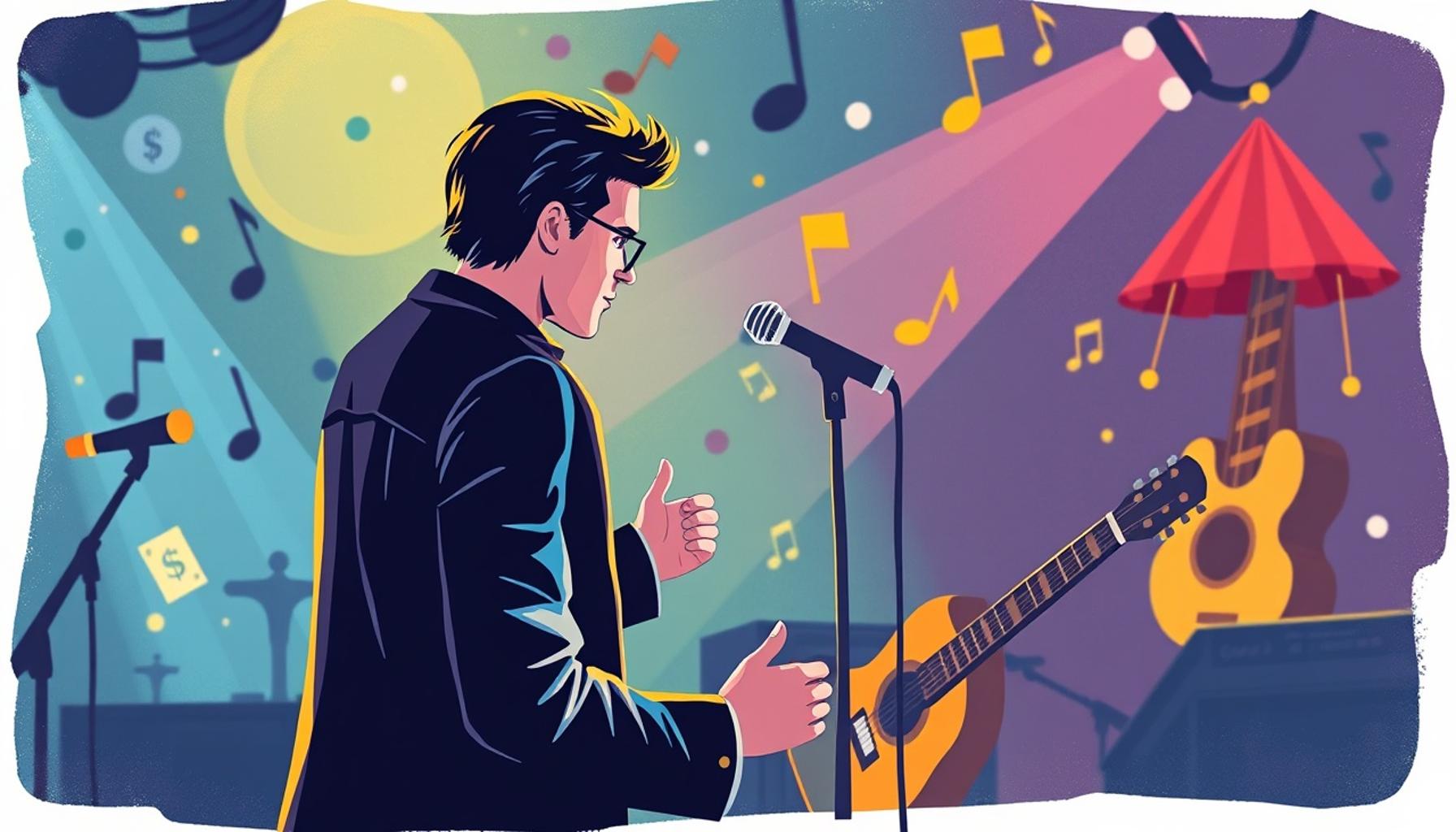
The musical landscape is a vivid tapestry woven together by various elements, with the transition from studio to stage serving as a vital thread in this tapestry. While studios provide artists with the necessary tools to craft their sound meticulously, it’s the energy of live performances that often transforms this sound into something truly transcendent. Artists thrive in the spontaneous environment of concerts, where the immediate feedback from fans can significantly alter the way they present their music.
Audience Feedback plays a critical role in shaping an artist’s creative journey. When performing live, musicians receive real-time reactions from their audience, which can range from applause to roar-like enthusiasm or even silence in moments of introspection. This feedback can lead artists to tweak their performances, whether by changing the arrangement or even developing new lyrics on the fly. For instance, when Beyoncé performed her single “Halo” during her 2016 Formation World Tour, she reportedly drew inspiration from the audience’s palpable excitement, enhancing the emotional weight of her delivery.
Improvisation is another crucial aspect highlighted in a live setting. The stage encourages a sense of freedom among artists, allowing them to reinterpret their songs in unique ways. A prime example is the Grateful Dead, known for their spontaneous jam sessions that diverged from studio recordings. Each performance was different, infusing new life into their music and providing fans with an experience that felt exclusive to that moment. This ability to improvise establishes a special connection with attendees, as they witness a one-of-a-kind interpretation of beloved tracks.
The Emotional Connection forged during live performances cannot be overstated. Engagement with the crowd creates a reciprocal relationship, where the energy exchanged can inspire new creative directions. Artists like Taylor Swift have long emphasized how fan interactions during concerts spark fresh songwriting ideas. Her song “The Best Day,” inspired by her relationship with her family, uses stories shared by fans on tour to deepen its emotional resonance.
As we examine the relationship between the studio and the stage, it becomes clear that both environments play essential roles in the artistic process. The studio serves as a birthplace for ideas, while the stage allows these ideas to evolve and breathe in a shared experience with fans. The influential interplay between these two spheres is a testament to the art of live performance; it adds layers of authenticity, spontaneity, and deep emotional connection to the musical experience.
Ultimately, as we continue to explore this dynamic, we uncover not only new layers of artistry but also the innovative pathways that live performances create for musicians. The ties that bind the studio to the stage enrich the overall music creation journey, reminding us that the best art often thrives at the intersection of controlled practice and the raw energy of live engagement.
DIVE DEEPER: Click here to discover more
Exploring the Synergy Between Studio Work and Live Performance
The journey of a song often begins in the solitude of a recording studio, where every note is carefully constructed, and every sound is meticulously polished. Yet, this intimate process can only take an artist so far. As performers transition from the studio to the stage, a new dimension of creativity emerges—one that is characterized by the rawness of live audiences and the impulsive spirit of performance. This symbiotic relationship is what distinguishes average performances from truly electrifying experiences.
One primary factor that highlights this transition is the role of audience engagement. Unlike studio recordings, which are crafted in isolation, live shows present a unique opportunity for artists to engage directly with their fans. This engagement creates a vibrant atmosphere that stirs the emotions of both the performer and the audience. According to a study conducted by the National Endowment for the Arts, live music attendance significantly enhances listeners’ emotional connections to the material, indicating that the supportive energy of a crowd amplifies the impact of a song. Notably, artists like Ed Sheeran have mastered this art of connection, often encouraging audience participation to create a communal experience during his shows.
The importance of preparation in a live context cannot be overlooked. Artists invest countless hours in rehearsing not only their songs but also their stage presence and interactions with the crowd. This effort transforms pre-conceived studio tracks into vibrant performances characterized by spontaneity. Consider Chris Stapleton, who, through a combination of rehearsal and improvisation, can change key elements of his songs based on the vibe of the audience. Such adaptability showcases the fluid nature of music when placed in a live setting, allowing it to evolve and resonate in ways the studio alone could not achieve.
The role of collaboration is another crucial aspect that thrives in live performances. Often, artists will collaborate with other musicians during shows, introducing new arrangements or incorporating different genres to breathe fresh life into their music. This collaborative spirit not only enhances the performance but also contributes to the artistic growth of all involved. As a perfect example, the Superjam showcases at the Bonnaroo Music and Arts Festival bring together artists from various backgrounds to co-create unforgettable sets, demonstrating the power of live collaboration.
- Real-time Feedback: Crowds offer immediate reactions that can influence an artist’s performance.
- Spontaneous Creativity: The energy of the venue allows for musical improvisation.
- Collective Experience: Fans become part of the performance, enriching the experience for all.
- Growth through Collaboration: Live shows often lead to unexpected partnerships between artists.
These aspects highlight why the importance of live performance is not merely a matter of enhancing a song’s listenability; rather, it profoundly influences the entire creative process. As artists transition from studios teeming with ideas to stages filled with anticipation, they unlock new avenues for expression and connection that enrich their music and deepen the bond with their audience. Understanding this relationship is essential for appreciating the comprehensive artistry of music creation, making it clear that both environments are integral to the journey of a song.
From Studio Sound to Street Vibes
As the music industry continually evolves, the live performance aspect remains an essential part of music creation, bridging the gap between the studio and the street. Live performances are not just a platform for artists to share their creativity; they also serve as an invaluable feedback mechanism. Engaging with an audience allows musicians to gauge what resonates, leading to a deeper understanding of their audience’s preferences. This interaction often influences the creative process, making future studio sessions more enriched and aligned with what listeners desire.
Moreover, playing live helps artists refine their skills. In a live setting, musicians are pushed to think on their feet, adapting their performances to the energy of the crowd. This spontaneity can lead to more authentic and dynamic performances, which wouldn’t be replicated in the controlled environment of a studio. Artists gain experience in pacing, improvisation, and delivery—elements that are essential for compelling performances.
Additionally, the environment of a live performance is unlike any other. The atmosphere, the connection with a crowd, and the immediacy of interaction create a unique experience for both the artist and the audience. This shared experience can serve as inspiration for new songs or thematic concepts that capture the essence of the connection made during performances. In this light, live performances are not merely gigs; they are essential chapters in a musician’s journey from the creative confines of the studio to the vibrant streets.
| Advantage | Description |
|---|---|
| Audience Feedback | Gathering real-time reactions helps artists adapt their music for better impact. |
| Skill Refinement | Live performances enhance musicianship through spontaneity and adaptability. |
The intertwining of studio creation with live energy not only propels artists’ careers but also enriches the cultural fabric of music. The experience of performing live creates a symbiotic relationship between the artist and their audience, fostering a community united by the power of music. As musical landscapes keep shifting, the importance of live performance remains steadfast in defining the artist’s journey and enhancing the music creation process.
DIVE DEEPER: Click here to discover how music builds connections
Transcending Traditional Boundaries: The Cultural Significance of Live Music
Beyond the immediate experiences of audience engagement and musical improvisation, live performance holds a deeper cultural significance that transcends mere entertainment. It acts as a platform for artists to convey messages and themes that resonate on societal and personal levels. This dynamic is particularly visible in genres like hip-hop and protest music, where the stage becomes a rallying point for social commentary and change. For instance, during his live performances, Kendrick Lamar often reinforces themes of resilience and identity, inviting audiences not just to listen but to reflect and engage with the issues being addressed.
Additionally, live performances serve to preserve musical heritage and promote cultural exchange. Events such as the Newport Folk Festival have historically celebrated traditional forms of music, bridging generational gaps and fostering appreciation for various musical styles. Through platforms that highlight these cultural exchanges, artists from diverse backgrounds can introduce their unique sounds to new audiences. This cross-pollination not only enriches the performing artist’s musical identity but also cultivates a greater sense of community among fans, as they discover new influences and appreciate the multifaceted tapestry of music.
Another critical aspect to consider is the monetary impact that live performances have on the music industry. For many artists, live shows are the primary source of revenue, especially in an era when music consumption has shifted largely to streaming platforms. According to a report from the Recording Industry Association of America (RIAA), ticket sales have surged, becoming a pivotal income stream for both emerging and established artists. For instance, big-name tours like Taylor Swift’s “Reputation Stadium Tour” reportedly generated over $345 million, showcasing the lucrative nature of live performance in today’s economy. This financial aspect not only supports artists’ livelihoods but also enables them to create more music, thus fueling the ongoing cycle of creativity.
Technological advancements are also playing a transformative role in the live performance landscape. The integration of virtual reality (VR) and augmented reality (AR) in concerts has begun to redefine the live music experience. Artists like Travis Scott have successfully utilized platforms like Fortnite to host virtual concerts, reaching millions who otherwise may not have access to live shows. This innovative approach expands the audience reach and generates new avenues for artistic expression, allowing musicians to blend their studio creativity with transformative performance art.
- Cultural Commentary: Artists often use live performances to address contemporary social issues.
- Musical Heritage: Festivals and shows preserve traditional music and foster cultural exchange.
- Economic Impact: Live performances serve as a significant revenue source, influencing the sustainability of artists’ careers.
- Technological innovations: VR and AR shape new live experiences, engaging broader audiences.
The combination of cultural significance, economic necessity, and technological innovation underscores the irreplaceable role of live performance in the music creation ecosystem. Each show isn’t merely an indicator of an artist’s popularity, but a larger reflection of their ability to connect, inspire, and evolve, spanning both personal and collective realms. As the music industry continues to adapt, understanding the intricacies of this vibrant relationship between the studio and the street will remain essential for artists and audiences alike.
DISCOVER MORE: Click here to ignite creativity with fun DIY crafts for kids
Bringing Music to Life: The Lasting Impact of Live Performance
In conclusion, the journey from the studio to the street highlights the profound importance of live performance in music creation. It serves not only as a means of artistic expression but also as a powerful vehicle for cultural dialogue and community engagement. Artists leverage the stage to share their stories, challenge societal norms, and spark meaningful conversations, emphasizing the role of music as a form of activism. Additionally, live music festivals and events foster a sense of unity among diverse audiences, allowing for the celebration of musical heritage while introducing fresh, eclectic sounds to the mainstream.
Moreover, the economic significance of live performance cannot be overstated. As the digital landscape continues to evolve, many artists are finding financial stability through ticket sales, underscoring the necessity of live shows in sustaining their careers in an industry increasingly dominated by streaming platforms. This shift not only supports the artists but also fuels the overall music economy, contributing to a vibrant entertainment ecosystem.
With advancements in technology, the prospects for live performances are indeed limitless. The integration of virtual and augmented reality introduces exciting possibilities for audience engagement, allowing performers to reach unprecedented numbers of fans worldwide. As we navigate this dynamic landscape, the relationship between studio creations and live expressions will continue to thrive, enriching both the artists and the audiences they touch.
Ultimately, recognizing the importance of live performances is crucial—for artists seeking to connect authentically with their fans, for communities celebrating music’s diverse tapestry, and for industries adapting to the ever-changing musical climate. It is this interplay of creativity and connection that keeps the soul of music alive, echoing from the studio to the streets.